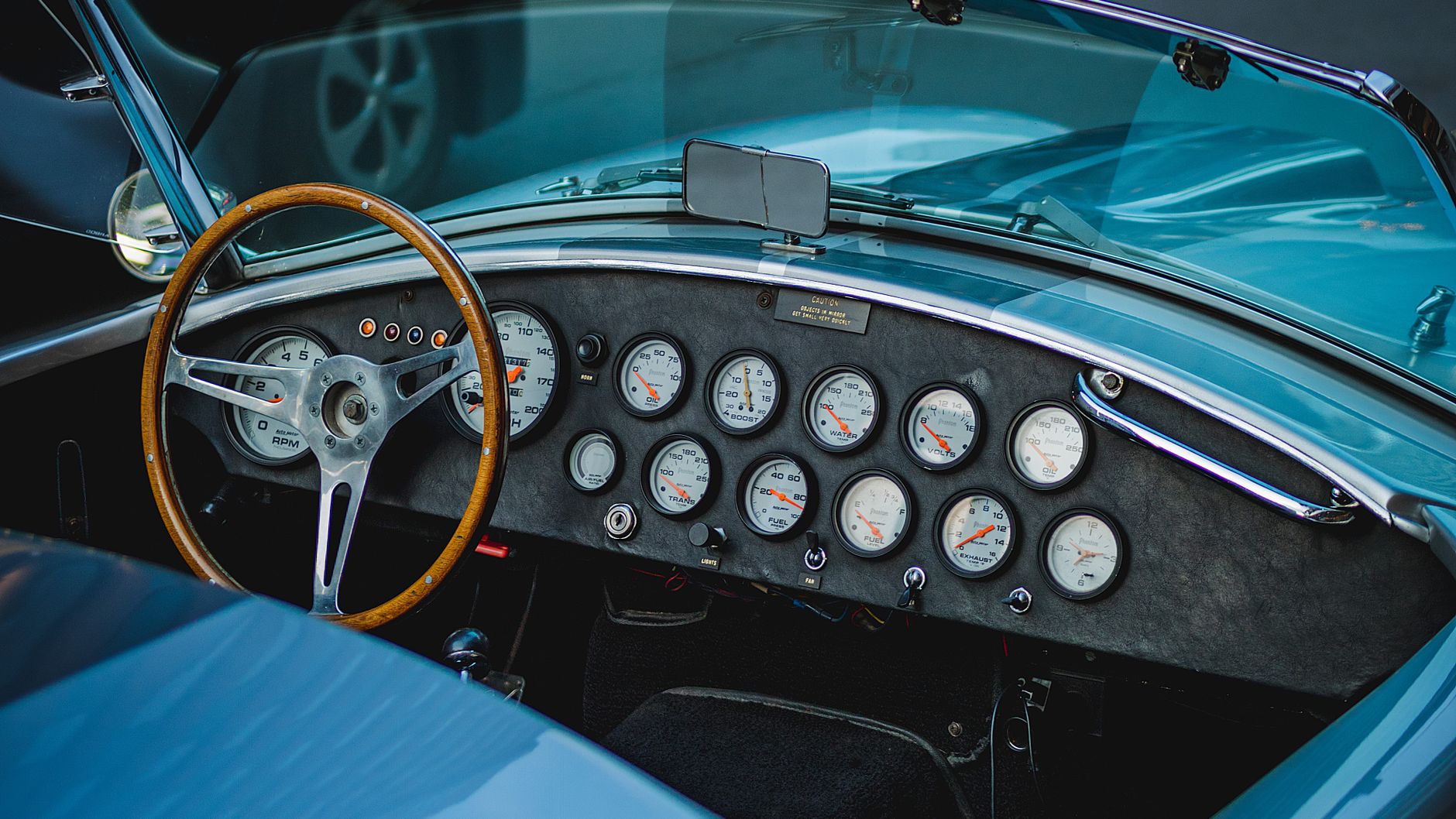

Gas or brake pedal. Anyone who drives knows the difference and, by instinct, will pick one or the other. Following Jesus asks us the same thing, and every teacher who shows us which one serves us better doesn’t press the same pedal.
The first teacher? He hits the gas, naming the counterfeit, driven by self-interest, and draws a line between nice and real kindness. Then he turns that distinction into a question aimed right at you. Will you spot today’s opportunity to show someone the kindness of Jesus? You finish reading the email, make an immediate decision, press the gas pedal, and go.
The second teacher’s email? He eases off the gas, preferring to coast a bit and take in the view from the windshield. He’s after the same faith, but for him it’s more than a mental assent, more than clicking the “accept” button on the gospel message you never reckoned with. He admits he feels grateful and embarrassed, all in the same breath! He lets both sit before his ask, and offers a simple, powerful prayer. Ransack my religion. Renovate my mind. Holy Spirit, show me what’s really here. He trusts the road is carrying him. His job? Pay attention rather than force the trip.
Paul would recognize and agree with both: what must I do? and what is God doing now that I need to receive, trust, and participate in? But Paul insists the second question must come before the first. What is God already doing that I need to receive, trust, and participate in? Grace supplies momentum and power behind the engine, not obedience. It’s what happens because the car is already moving. It’s just that you finally noticed.
We also need to remember that the first of these men spent years as a CEO, where the whole job was execution. Quarterly targets. KPIs. A board expecting a report on what moved and what didn’t. You don’t bring the board a feeling; you bring them a number, and if the number’s flat? You owe an explanation for why and then a comprehensive plan to fix it before the next cycle ends. That work trains a reflex deep inside your bones: doing something was your only proof that something was real.
The second man? He spent years as a pastor and formational teacher, sitting with people who are in the slow, unscheduled work of change. He’s learned that souls don’t hit deadlines. Push someone toward a breakthrough on your timeline, and you get a performance, a manufactured result designed to satisfy you. He’s watched real transformation arrive late, sideways, on nobody’s agenda but God’s. That kind of work trains a different reflex: sit still, keep watching, and let what’s true do its own work in its own time.
Neither man is wrong. Each one didn’t invent his instinct at a keyboard. One learned it running toward deadlines and performance. The other learned it by sitting with people in the middle of their mess, who couldn’t be rushed. So when the truth of the gospel lands on each of them, it shouldn’t surprise us that it rolls downhill differently.
Both men are still growing. The first keeps pressing the gas, curious what the truth will do once the rubber meets the road. The second keeps easing off, curious where the momentum underway will take him, enjoying the drive in the slowness. Different instincts. Same car. Neither one is driving alone.
What did you notice?