
You were right there. A witness to the incident. Perhaps you were the one to do it.
The budget meeting for your organization goes sideways because Jane said Linda’s tracking program was childish and foolish. Words moving like scalding hot coffee come from her mouth, hot, hateful, and burning like acid. The conference room is silent, wondering how Linda will react.
We watched the attack. Saw it live and in person. The energy in the room is gone, popped like a balloon with childish and foolish.
Yet the work goes on, Linda stewing over the attack, and Jane angry that no one acknowledged how dumb the proposed solution is.
A week later those words still resonate with Linda. Then a month later. Ten years after, the people who were there still remember the room. Who was wearing what. What the snacks were.
Start right here. What is inside you? What do you want to say? How will you speak those words?
“The mouth of a good person is a deep, life-giving well, but the mouth of the wicked is a dark cave of abuse.” Proverbs 10:11
Not with what we want to say. With how we speak.
This is a tough lesson that I’m still learning. More often than not, I’m wrong and I screw it up somehow. Like sending the email I wish I could delete. Writing a sharper sentence in a text thread, instead of a kinder one. Most of us have. That’s why this matters. It matters to me.
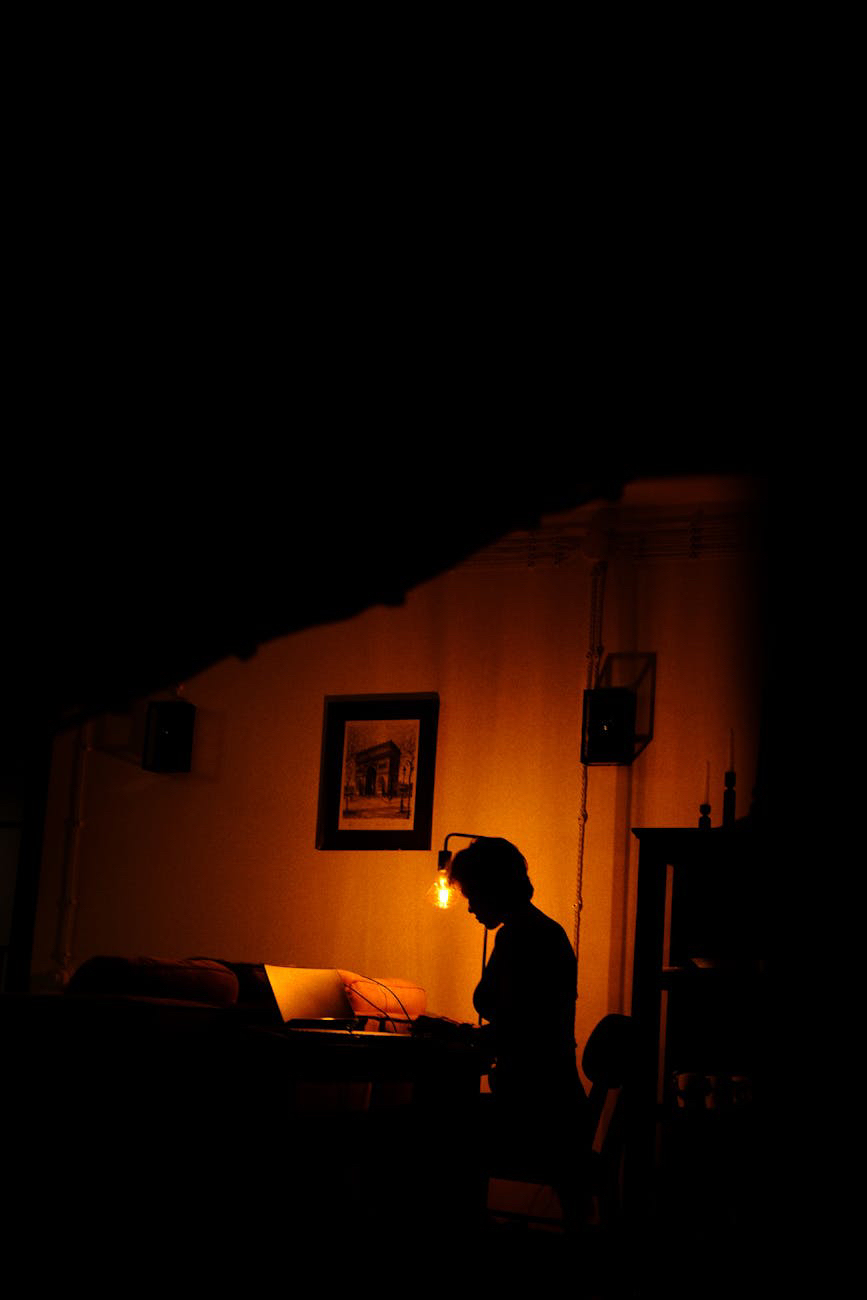
Write or speak, your words come from a deep cave where your thoughts live and breathe. Whatever you think about, fill yourself with, and spend time engaging? That’s where your words come from.
You feel it when someone opens their mouth. When you get a text message from them. It feels like them, the part they don’t show you.
In business you are trained on messaging, brand voice, how to communicate the company’s prime directive but not your attitude or tone. If that is so important, why does no one talk about it?
A Jewish carpenter from a small town most people couldn’t find on a map spoke with power and authority no one could match or challenge to a small handful of people. Spoken words without a marketing budget. Said one time in a crowd, not through a distribution channel. There was no platform. He spoke it. To regular, everyday people. Fishermen. Tax collectors. Women drawing water from wells. Sinners of all shapes and sizes. He told stories. Stories about lost sons and sheep. Coins lost and then found. And he asked more questions, giving fewer solutions.
His words continue to resonate, two thousand years later!
Empires have risen and fallen. Companies worth billions? Vanished in less time than a generation. Kings whose faces were stamped on coins are footnotes in history books, if they’re remembered at all. But those few stories he spoke on a hillside in Galilee stop people in Walmart, Target, and Starbucks parking lots. His words get tattooed on forearms. His name is whispered at gravesides.
Why?
Because.
His cave, his thoughts were light. Not full of light. It is the light. That’s a different place than ours. He saw people before he spoke. Because when he spoke, it came from light, not darkness. He was different. And it cost him his life.
He told the truth. It was plain. But it was told gently.
We believe story is our product. It’s not. Our story comes from what we feed our cave, the place where our words come from.
Business owners? Your customers feel it, basing their decision to buy on it. Leaders? Your teams sense it, choosing to follow you or question every decision. Families? Your loved ones can tell, sensing when something just doesn’t feel right.
Our words outlast fashion sensibilities, are tougher than Chuck Norris, and emotionally stick with us longer than we’d like.
So what do you want people to remember about you? What will people remember about you? Your hairstyle? The crazy tattoos? A clothing choice only you could pull off? Or will they remember your kind words whispered in your ear through your tears at grandma’s funeral?
I hope they remember what you’ve been building into them.
Leave a Reply