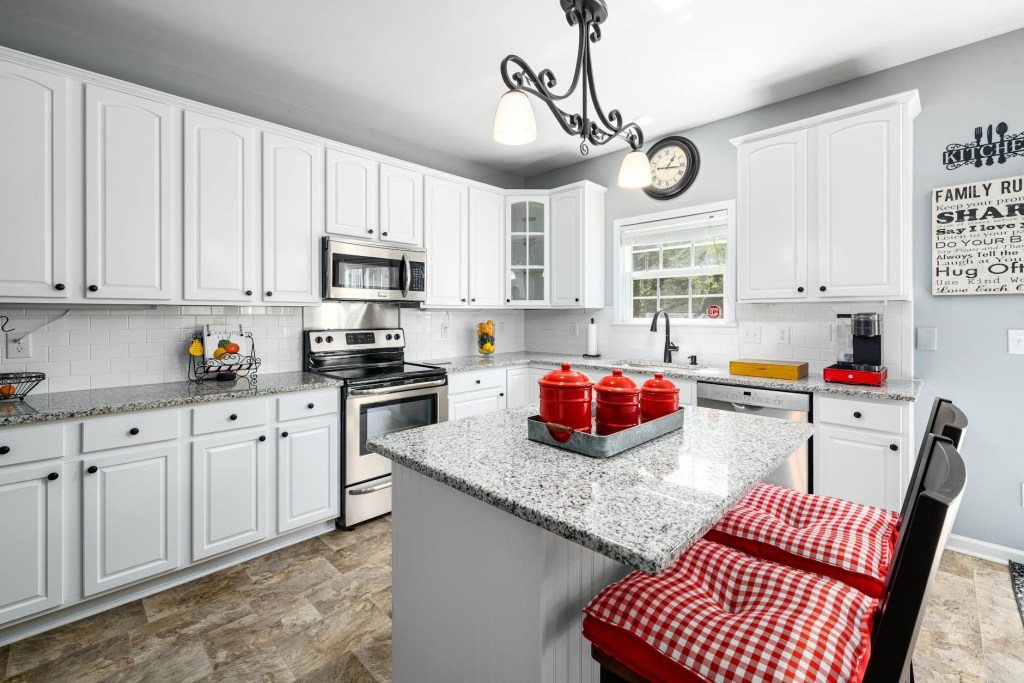
Eleanor sets the last bowl down at 5:47. The clock on the wall does what it’s always done; keeps clicking away, one second at a time. She doesn’t look at it. She doesn’t need to. The pot roast went in at noon, the potatoes at four-thirty, and the rolls are cooling on the counter in the same order they have been since she learned to bake them from her mother, who learned how from hers. The table is set. Her family will come on time.
And they do.
Harold comes through the back door smelling like the oil, grease, and sweat from the shop, hanging his jacket with his name embroidered on it on the same hook, washing his hands at the kitchen sink, a habit Eleanor hates. Janie and Robert come down stairs louder than necessary, negotiating an argument that started upstairs but stops the minute they make eye contact with Harold. It won’t survive contact with the dinner table. They sit, quietly. Harold waits till everyone is seated, then says grace. They eat, conversation at a minimum.
Nobody calls it sacred. They just call it what it is; Tuesday.
Sixty years later, Robert’s granddaughter Rachel, a mom now, is standing in that same kind of kitchen, updated appliances, different curtains, same window over the sink. The microwave is counting down while she scrolls through her social media feed. Heather is at volleyball practice. David is finishing chemistry homework. And Brad is still trying to get off the phone with a client. Dinner is ready, barbecue chicken, roasted baby potatoes, and salad. She sets the table reflexively, knowing that only her and Brad will eat together.
She doesn’t think of Eleanor. She never knew Eleanor. But she is choosing something Eleanor never had to; she is choosing the table. Defending it against a schedule that has decided dinner is a variable, not a given.
She waits.
There’s a story we tell about the family dinner table: we used to gather. Now we don’t. Did we lose something important? We ask it with nostalgia and occasionally a kind of moral weight making those eating cereal over the sink feel like they’ve failed an ancient test.
But that story misses the point. Eleanor would tell you so.
The table was never the point.
Eleanor set it because her family was coming. Harold washed his hands because the people sitting at his table were worth the gesture. The kids came downstairs because something was waiting for them — not the pot roast, even though the pot roast was good. It was the family. The people. The ritual said you are expected here. You are wanted. This is where we land at the end of the day. You are loved.
The table was just furniture. The gathering was the thing.
We’ve lost something, sure. But what we’ve lost isn’t the table or the home-cooked meal or even the unbroken hour. What we’ve lost is the assumption underneath it; the quiet, unspoken agreement that at a certain hour, the day pauses, and we return to each other.
That assumption used to be structural. Our culture held it rigidly in place. Stores closed. Fathers came home at the same hour. Mothers organized the day around that anchor point. The table was set because the world cooperated in setting it.
Volleyball will run late. So will the client call. The school project expands filling whatever time remains. And into every gap slides a screen, a notification, a reason to stay just a little longer in the separate rooms of our separate lives.
So the woman waiting on her microwave is doing something harder than Eleanor ever did. She’s choosing the table against the current. She’s insisting, without making a speech about it, that the people in her house are worth a pause.
That’s the reminder, if you needed one.
Not that you should cook more, or turn off your phone, or recreate something from a decade you didn’t live in. But that the people around you, the loud ones coming down the stairs, the one still on the call, the kid who’ll be home at seven instead of six, they are worth the pause.
The table is just where you put the pause.
Set it anyway.
Eat together when you can.
Make it Tuesday.
Because sixty years from now, in a kitchen that looks nothing like yours, someone will be doing the same thing you’re doing tonight; waiting, choosing, insisting. And they won’t know your name either.
But the gesture?
It will always be the same.

Leave a comment