Warren liked order.
He liked knowing where things went, how they worked, and who was responsible for what. He liked unlock-and-lock routines, the satisfying click of certainty at the end of the day.
That’s why he’d said yes when they asked him to join the committee.
Not because he wanted authority. He told himself that often. Because authority implied ambition, and ambition implied ego. Warren just wanted things done right.
The sanctuary lights hummed softly as he straightened the stack of visitor cards on the welcome table on Sunday morning. He aligned the edges twice, then once more for good measure.
From the pulpit, the pastor was reading Matthew.
Warren knew this chapter well. He’d studied it. Taught it. Once. He’d even written notes in the margin of his Bible, inked explanations meant to soften the words, contextualize them, make them safe.
“Woe to you…”
The phrase rolled through the room like a low cloud.
Warren shifted in his seat. Not because he felt accused. Not exactly. More because he felt… observed.
“Whitewashed tombs.”
He exhaled slowly.
People always misunderstood this part, he thought. Took it personally. Read themselves into it when it clearly wasn’t about them.
He glanced down the row. A woman near the back stiffened, just slightly. Like she’d been bracing for something.
Warren frowned.
That bothered him more than it should have.
After the service, the advisory committee gathered in the side room, the one with the long conference table and the framed mission statement that had never quite lived up to its own promise.
They talked budgets. Attendance. Whether the new paint color in the lobby was too stark. Too bland. Too white. Someone joked that “whitewashed tombs” might not be the best phrase for a renovation season.
Laughter circled the table.
Warren smiled on cue.
But his mind kept drifting back to that woman. The way she’d flinched. The way he’d instinctively assumed she was the problem in the equation.
People are too sensitive, he’d thought.
They don’t understand context.
Still, something pressed on him.
After the meeting, he lingered in the hallway, flipping light switches off one by one. He liked being the last to leave. It made the building feel entrusted to him.
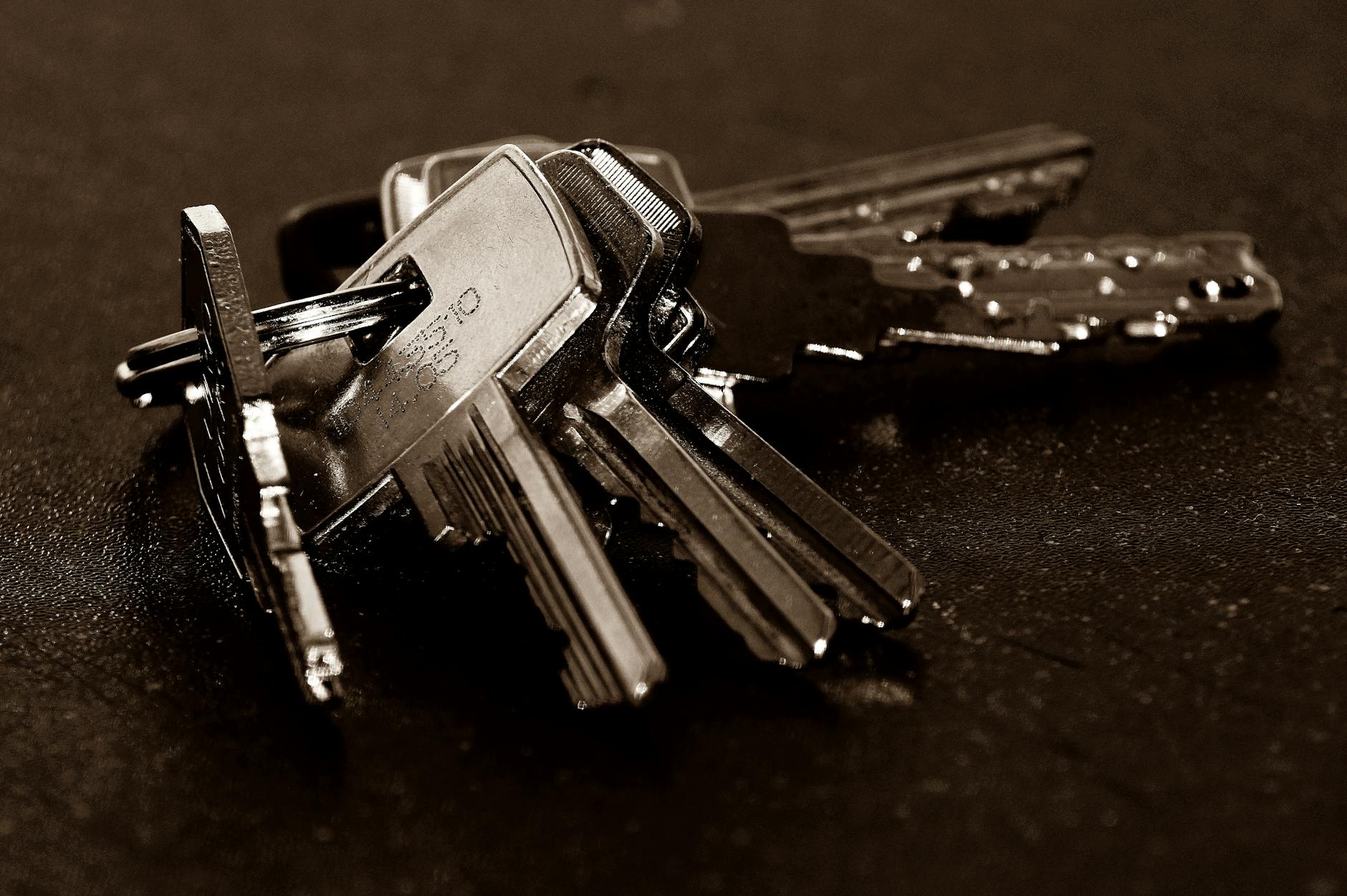
As he passed the office, he caught his reflection in the glass. Suit jacket neat. Keys clipped to his belt. Familiar. Reliable.
He remembered the first time he’d been given those keys.
The pastor had said, “We trust you.”
Warren had carried that sentence like a badge of honor ever since.
He stepped outside and locked the door, the metal click loud in the quiet evening.
And that’s when the thought landed, uninvited and unwelcome.
What if the problem isn’t that people misunderstand Jesus?
What if they understand him just fine… and I’m standing on the wrong side of the metaphor?
He shook his head, almost laughed it off.
He wasn’t blocking anyone. He wasn’t corrupt. He wasn’t abusive. He followed the rules. Protected the standards. Preserved the message.
Still, he pictured the door. The literal one he’d just locked. The way keys worked wasn’t by force, but by permission.
Warren looked back at the building. Fresh paint. Clean lines. Bright against the dark.
He’d helped choose that color.
He slipped the keys into his pocket instead of clipping them back on his belt.
Just for the walk to his car.
Just to remember what it felt like not to hear them jingle with every step.
A Note from the Author
This story stands alongside White Paint not to explain the message of either piece, but to offer a second perspective, another view of how the exact moment can feel very different depending on where you’re standing.

Leave a comment