
The coffee shop clock blinks an angry red glow—11:47 PM. My laptop screen burns my tired eyes in this dim corner. Here, I’ve been camping for four hours, the cursor blinking like the clock, at the end of my third paragraph—the same paragraph I keep redrafting tonight.
My freelance article is demanding my creativity, critical thinking, and attention. One thousand words on local government transparency, due in less than eight hours. Sue Fredrickson, my editor wants this piece after my last one on illegal chemical dumping. “Real readers will see this work.” Her words echo in my head. Now the real pressure is heavy on my chest.
Grabbing my phone I open the ChatGPT app. Three taps. And then this assignment? It’s done. Put to bed. In less than thirty seconds. My finger is hovering over the screen, daring me to push the button.

College Exposes My Shortcut Addiction
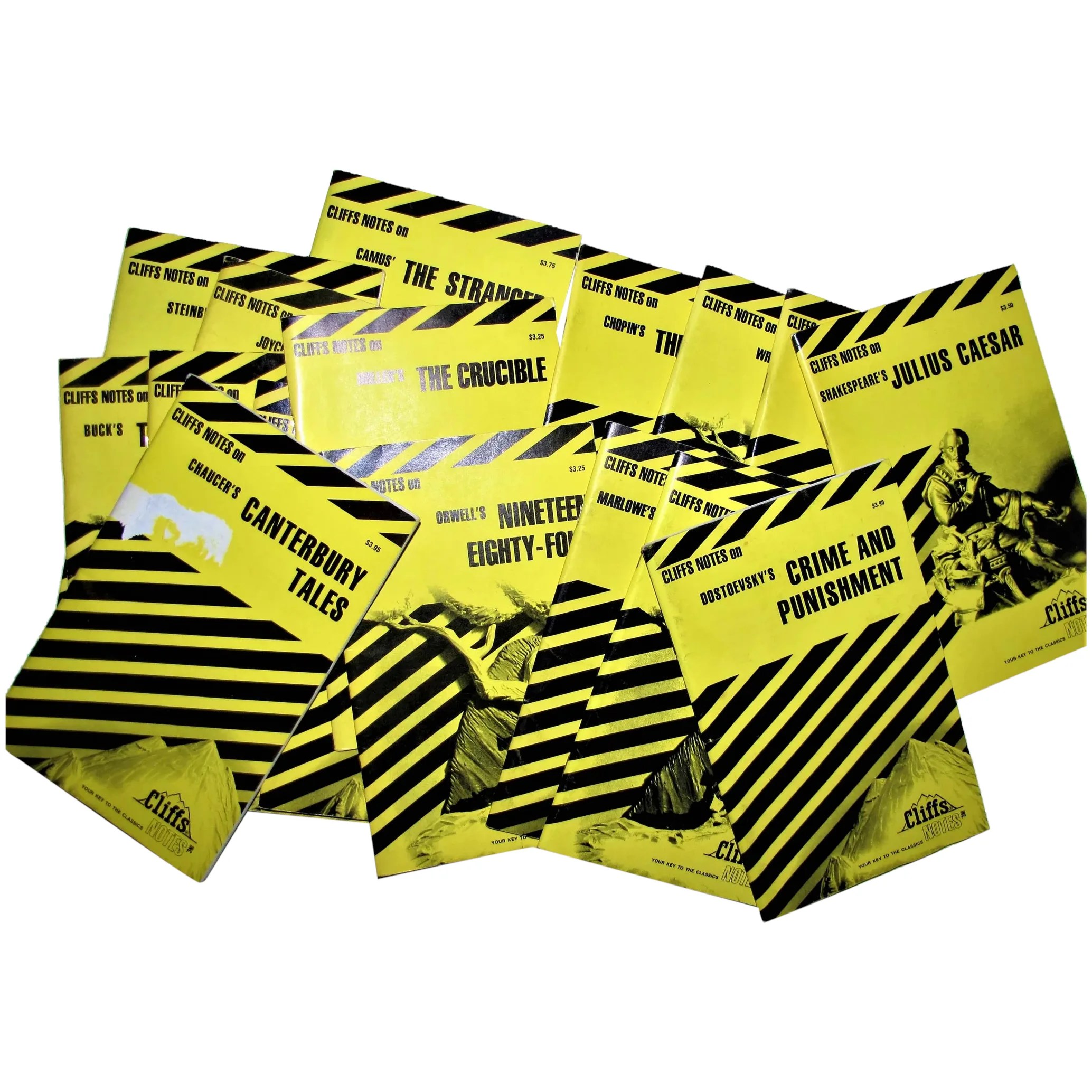
Picture me fifteen years back, smuggling yellow CliffsNotes into a 200-level college English literature class. A bumblebee-striped book promising instant wisdom. All without reading Romeo and Juliet. I copy chunks of their analysis verbatim, hoping Dr. Martinez won’t notice.
She does. “We need to talk,” she says, after her 1:30 lecture. “My office. Ten minutes.” I still cringe at that memory. Academic dishonesty is an offense worth expulsion. Sitting atop her desk is my paper, next to it? The CliffsNotes page is open. Quickly she highlights the phrasing in my paper with yellow marker. I’m caught. “This hurts your learning more than your grade,” she says. My weekend disappears. The choice? Rewrite the entire essay or she exposes my cheating and the dean expels me.
The real lesson hits during Dr. Martinez’s final exam. Classmates who read the plays? They understand, making connections across his different works. For them seeing recurring themes, character archetypes, Shakespeare’s evolution as a writer, is simple. Meanwhile, I sit there fumbling through four essay questions, recognizing the foundations I needed were in the readings.
Today’s shortcuts? Well, let’s just say they make my old CliffsNotes look primitive. Students type prompts into AI, harvesting a 1000-word essay on The Old Man and the Sea in three minutes. Auditing a community college writing workshop, I talk to Dr. Carson, who confirms my suspicions. It’s a regular occurrence. But part of me? I’m jealous, envious of how easy they have it.
Struggle Transforms My Writing Process
Ten years of writing for Operation Snap Dragon, an organization dedicated to translating and dubbing the JESUS film into multiple languages. My job? Former Chief Storyteller. Years of hard work wrestling messy thoughts into clear sentences strengthens my thinking, forcing me to work harder, digging deeper into stories.
Disciplined work, instead of skimming the surface, reveals angles to each narrative others miss.
I talk through ideas before typing. Me, pacing frantically around my apartment, explaining the article to my cat. I don’t really have a cat. I just like the idea of talking to one. But I do ask myself hard questions: What story am I really telling? Why should readers care about the kite flying people in Indonesia? I discover frequently I don’t yet understand my topic well enough to write a single sentence.
I write terrible first drafts. Deliberately. Twenty minutes. I set a timer and go, dumping every scattered thought onto paper. Quality doesn’t matter—I need raw material, also known as B-roll, as you might hear in the film or video industry, to shape it later.
Deadlines? Break them into manageable pieces. Research takes roughly forty percent of my time, outlining five percent, first draft twenty percent, revision thirty-five percent. This system prevents those 3 AM crisis moments that make shortcuts so tempting.
Choosing Difficulty Reshapes My Career
Back to the coffee shop at midnight. My head pounds. Partly from caffeine.
Most of it from stress because like it or not, the deadline is speeding along, ready to roll over me like a fully loaded freight train.
I stare at the AI app. My thumb hovers. Press it and I’m done in thirty seconds. I could copy, paste, tweak a few words. Sue would never know. One tap. That’s all it takes.
But my finger won’t move.
I think about Dr. Martinez. Her yellow marker highlighting my shame. The classmates who actually understood Shakespeare while I sat there clueless. The housing story my colleague researched for months while I looked for shortcuts.
My thumb twitches toward the screen. Then pulls back.
I close the AI app. It’s not because I’m noble. Shortcuts leave me empty-handed days, months, or maybe even years from now. It may solve the deadline problem today, but my integrity suffers. So will my reputation!
Choosing the struggle—accepting confusion, embracing false starts, wrestling with stubborn ideas until they submit—grows something inside me. My thinking sharpens. My arguments strengthen. My confidence builds one difficult sentence at a time.
The local government story? Complete and submitted just after 3 AM, as I’m watching a thin layer of oil form on my half-cup of now cold coffee. Those final two hours nearly broke me. I’d type a sentence, delete it, try again. My brain felt like sludge. But somewhere around 2:30, the words started flowing. The transparency angle clicked. I found my voice again.
Exhausted? For sure! But proud of the article. Three weeks later, the city council changes their meeting schedule to allow more public comment time. My article raises transparency issues that spark this change.

Writing without AI shortcutting the process teaches me how to dig deeper into public records, interview reluctant officials and translate bureaucratic language for regular readers. No shortcut delivers these career defining abilities. Only discipline and hard work.
Building Your Writing Muscle Daily
I can’t tell you what to do if you face similar choices, only share what years of painful trial and error reveal to me.
Start this week: Write one honest paragraph. Make it about something you actually care about. Set a 15-minute timer. Keep writing until it goes off. Don’t stop.
Build your network: Ask one person you trust to read something you write. Join a local writing group. Check your library—many host writing circles.
Create systems that work: Break your next writing project into phases with specific mini-deadlines.
Notice what happens when you slow down instead of rushing toward easy answers. Watch how your thinking changes when you work through confusion instead of avoiding it.
Your future self—the one who writes with confidence and clarity—grows stronger with every difficult sentence you craft yourself.
The coffee shop? It’s one of the last 24-hour places open to college kids studying, truck drivers needing coffee and food, and night owls. Writers, like me, are still here, still writing, still discovering what I want to say. That’s worth another cup of coffee. (Thanks, Kathy!)
Related Posts
- Before I was old enough to read, I told stories
- Why your posts disappear but your actions last forever
- A late-night traffic stop becomes a reminder: storytelling connects us
- The Post That Changed Everything
- Made three people completely invisible yesterday
What’s your biggest writing struggle? Have you ever been tempted by AI shortcuts? Share your story in the comments below—I’d love to hear how you handle deadline pressure and the temptation to take the easy way out.
Want more honest stories about the writing life?
Subscribe to get weekly insights about storytelling, creativity, and the discipline that builds real writing skills. No shortcuts, just real advice from the trenches.
SUBSCRIBE NOW
About the Author
Joe Class III is a storyteller who captures everyday events in natural language, exploring how ordinary moments reveal extraordinary truths about character and integrity. He is the former Chief Storyteller for Operation Snap Dragon, an organization dedicated to translating and dubbing the JESUS film into multiple languages. “The best stories come from discipline and hard work.” When Joe’s not writing at midnight in coffee shops, he’s probably talking through article ideas to one of three imaginary cats.

Categories: Writing, Storytelling, Personal Development
Tags: writing tips, creativity, discipline, journalism, storytelling, writing process, shortcuts, AI writing, college writing, freelance writing, deadline pressure, writing struggle
Share this post:
- Facebook | Twitter | LinkedIn | Instagram

Leave a comment