“I ain’t the one!” His lisp and raspy voice caught me off guard. “You heard me, boss. It ain’t me. I ain’t the one who did it. And you know it!”
Dealing with homelessness was something Scott was familiar with, but this man, who went by Bobby J., wasn’t the sort of person he was used to. Clients of Scott’s tended to be stable, on their meds if they took them at all, and could, at the very least, hold down a job. His primary responsibility was finding them a permanent place to live. Most of the time, it was a cakewalk. Find the place. Make one hundred percent sure they had a full-time job, or social security disability. If they did, finding a place was easy. If they had severe mental illness issues, it was a little more complicated but not hopeless. But with Bobby J.? It would be next to impossible.

“I ain’t the one who stole that car. I told the cops that, too. But they didn’t believe me. I said, ‘Bobby J. ain’t no dang thief. I tole them cops it was Scotty Bemath, who took the golf cart. Theo, you gotta explain it to them. There’s a warrant for my arrest. I can’t have ‘em findin’ out where I am.” He eyed me up and down, starting to stand up, paranoia filling his eyes. “You ain’t gonna tell ‘em, are you Mr. Social Worker secret agent man?”
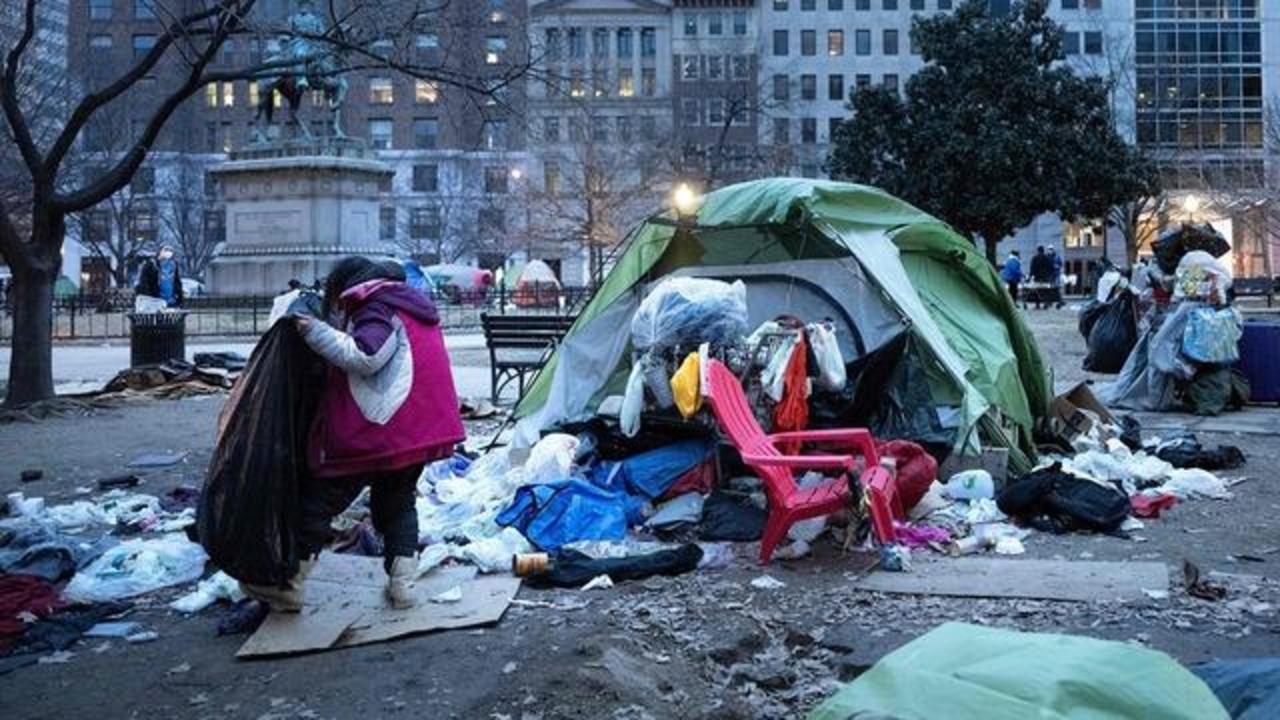
The streets were cold in southern Iowa in the January morning. Scott was doing his best to take care of Bobby J., his case being thrown to him after he successfully placed five homeless men and two women in permanent housing. They could stay as long as they complied with the rules of their separate apartments and kept up their employment. Bobby was the problem child for the department, and for Scott also. He was the most complicated person to locate, living anywhere from the fields on the farthest outskirts of town to a few different abandoned buildings. Each building had less personality than a comedian who’s outgrown their audience. Scott only knew about the buildings because he searched for Bobby J., digging through trash and clothes that were so dirty they could stand up and walk out of the building alone.

Bobby J. wore fingerless gloves that looked like they were used by an auto mechanic. Scott thought that it might track because, once upon a time, Bobby J. worked on cars. He heard it either from Bobby’s last social worker or some of his fellow homeless friends that he used to be a mechanic, working on cars professionally. That was before Bobby had a mental break. Some said he and his late wife lost a child. The stories said she either killed herself or committed herself, escaping from Bobby J. and his drinking. It got so bad that even his homeless friends kept their distance, at least for a while.
“Bobby J., you said it was a car. Now you’re saying it’s a golf cart. Am I hearing you right?” Scott asked. “Because those are two entirely different things. A car isn’t a golf cart. And a golf cart isn’t a car, you know?”
“You think I’m stupid, Scott? I hope you know I have three degrees, two from California State University in social work and anthropology and an MBA. I don’t need some social worker, like yourself, telling me the difference between a golf cart and a car.” Bobby J., perched as he was over the sidewalk wrapped in a ratty Army blanket, sat down on the concrete. Reaching underneath his blanket, Bobby J. fished out a rumpled, beat-up-looking cigarette from his blue flannel shirt pocket. He didn’t look up at Scott, rambling as he was, smoothing out the smoke. “Social worker with no more than a maybe a master’s degree thinks he’s smarter,” he looked up at Scott, “or somehow knows more than I do? Dang, Scotty Bemath. For a social worker, you sure are dumb.”
Scott blinked a few times, then sat down next to his client. He knew getting him inside a building would be highly unlikely, even if he lived in an abandoned one.

“And if you think for one second, I’m coming down to the office with you? You can freakin’ forget it, kiddo. Ain’t never gonna happen,” Bobby said, patting himself down for matches or a lighter. Inside his Carhartt overalls. Bobby found a red bouncy ball, three unused condoms, and two safety pins, which elicited a “That’s where those got to” from him. “Saw my grandchildren a few months ago, and my daughter put cloth diapers on the twins. Said it was better for the environment or some such thing. Hogwash.” He stuffed everything back into various pockets of Carhartt’s, his flannel shirt, and his pants. He stood up long enough to check the back pockets of his jeans, pulling out a smashed book of paper matches. “Ah ha! I gotcha.” The match flamed to life, and he finally lit his smoke. “Don’t start with these things, Scott.” He stared at the lit cigarette, talking to it and not Scott. “You are gonna be the death of me, aren’t you?”
“So what about this golf cart?” Scott did his best to get Bobby J. back on the topic of his impending arrest, especially if he found suitable housing for his homeless client.
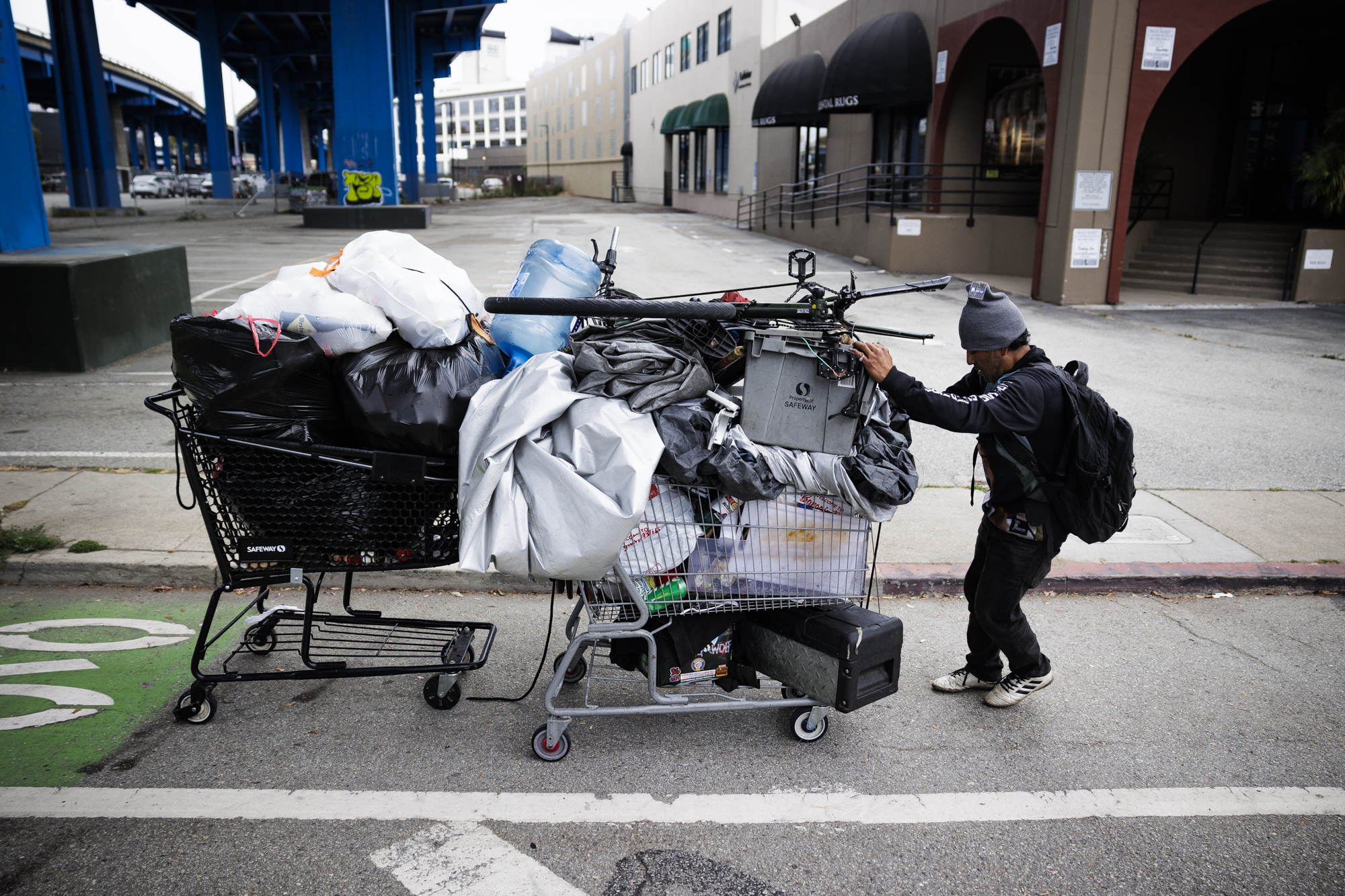
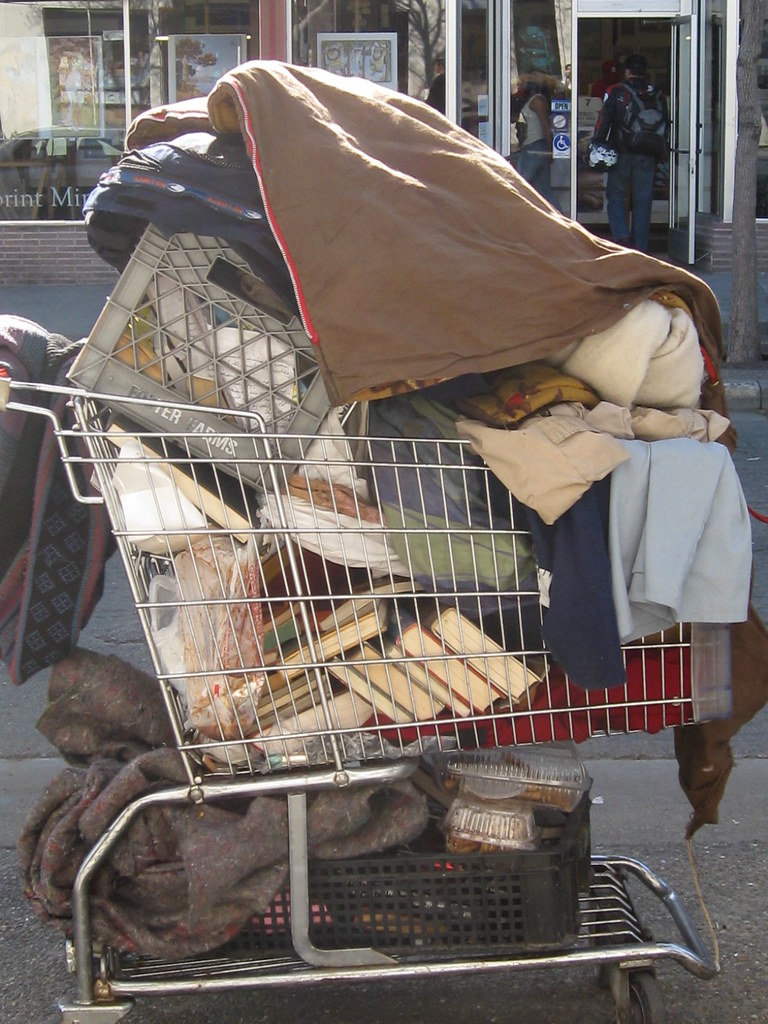
“What about it? That thief, that dirty rotten scoundrel of a man, Scotty Bemath. He stole it. Probably stole that car, too.” He pointed at Scott with his cigarette. “Oh, hey, man.” He patted Scott’s shoulder. “I’m so sorry. I didn’t offer you a smoke, did I?” He stood up, walking over to a shopping cart loaded with all the essentials every homeless person needed, including a couple of packs of cigarettes. They were buried underneath useless junk, hidden from plain sight. Scott figured that was the only way to keep your personal belongings safe. He’d seen other clients do the same thing.
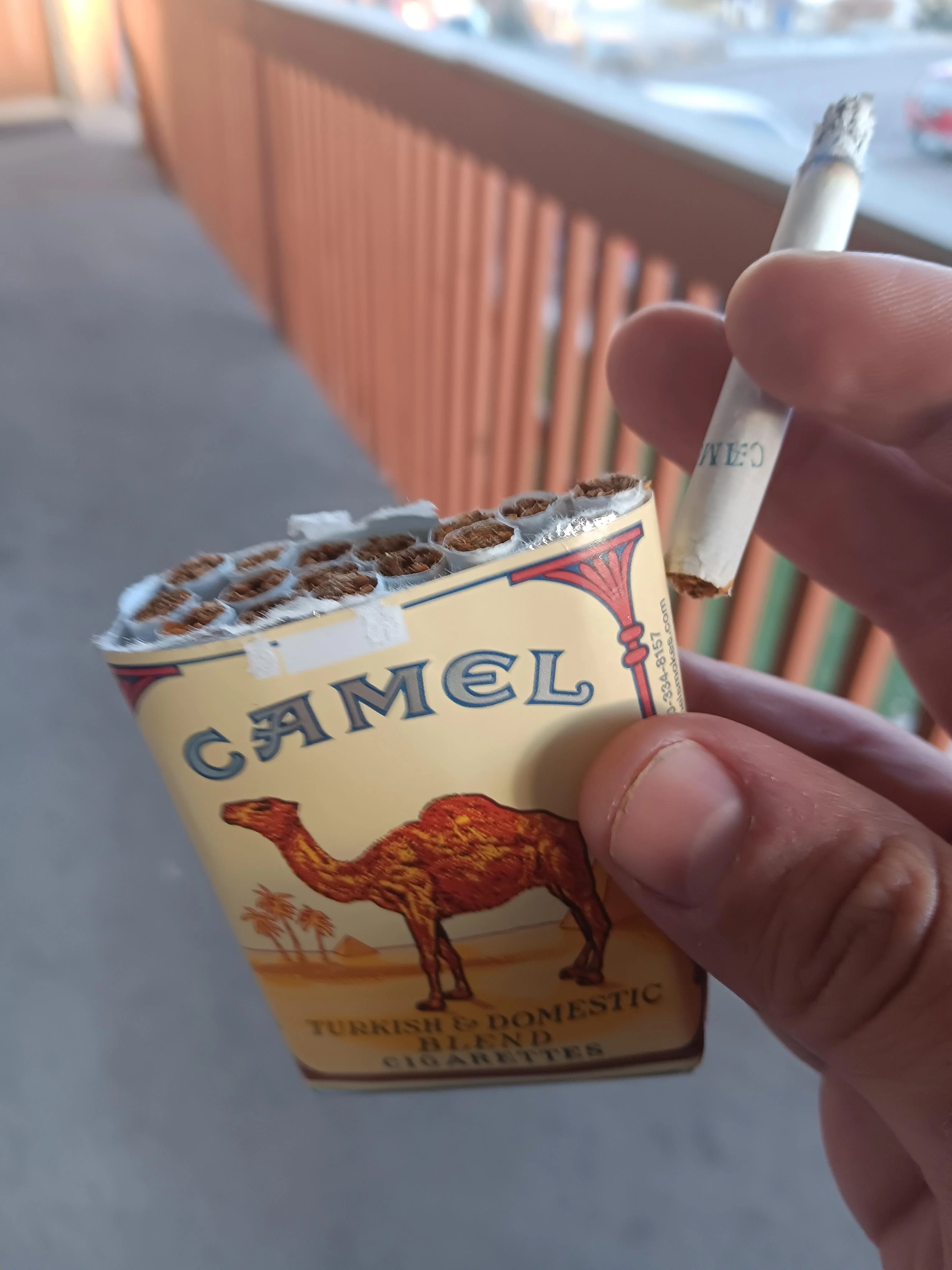
“What car?” Bobby offered Scott an unopened pack of Camels, unfiltered, the cigarette for the discerning homeless person. Scott knew better than to decline the offer of a homeless person, so he took the cigarettes from him and asked again. “What car are you talking about, Bobby J.?”
“Hang on there a sec, boss. I got matches in here somewhere.” Bobby J. put the matches back, in the same place he took them from: his back pocket. And, just like the last time, he took everything out, oohed over the safety pins, told Scott about his grandchildren, the twins, and then put it all back, patting his back pockets and finding the matchbook. “There they are! I knew I had them somewhere,” Bobby J. handed them to Scott. “There. Go ahead and smoke one while you got them.”
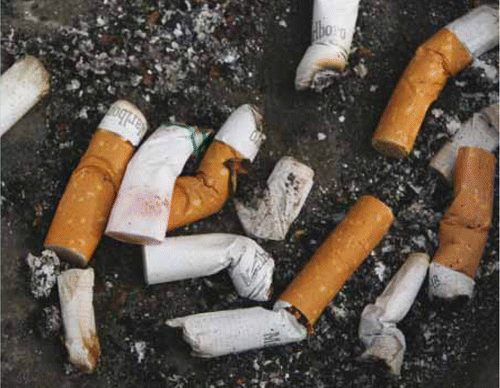
Not opening the package or lighting one of the cigarettes would violate street protocol, which Scott worked hard to maintain. Hanging out with people who didn’t have a home was one thing. Smoking cigarettes seemed like a hard line to cross to build rapport with Bobby J. Scott was skating on thin ice, even though he had easy clients up to Bobby J. His supervisor, a woman whom he only knew as Mrs. V., with emphasis on the Mrs., started out being friendly, patient, and forgiving. But after he cleared out six of her clients, ones that she personally struggled to find adequate housing, that’s when her demeanor changed. Now, Mrs. V. was borderline hostile, letting him know in no uncertain terms that if he failed with Bobby J., she would be forced to write him up.

Packing the smokes, something he did hundreds of times for other clients and himself when he quit four years ago, he unwrapped the pack, tearing it open and freeing an unfiltered Camel into his hand. He knew he would have a headache in a few hours, but if he could get Bobby J. into a permanent shelter, Mrs. V. would lose.
“Here,” Bobby J. said, tossing Scott the matches. “Smoke ‘em if you got ‘em, eh?” Winking, he started scouring his pockets again, retrieving one more loose smoke from the flannel pocket. “Hold onto them, Scott. Those are a hot commodity around me. I feel like someone keeps stealing all my matches.” Bobby J. kept feeling around for the matches in Scott’s hand. “Thank you, good sir.” Bobby J. bowed with a flourish, plopping down on the cold concrete sidewalk.
“Tell me about the car,” Scott asked, exhaling blue smoke from the Camel. It tasted good, familiar, like an old friend visiting from out of town. The rush of nicotine hit him fast. Scott felt a little lightheaded, seeing stars in his vision. He took another drag. The spinning sensation slowed. “What kind of car was it? Where were you? Who was with you, or were you by yourself?”
“Woah. That’s a lot of questions. First things first,” he said holding out a fist, waiting for Scott to touch his fist to Bobby J.’s. “There,” he said, the fist bumping complete, “It was a nice car. A 1967 Chevy Impala, four-door. Blue in color. But not like that,” he said, pointing to Scott’s nautical metallic blue Toyota 4Runner. “More of a pale, sky blue.” He pointed upward. “Kinda like that,” Bobby J. said.

“Who was with you?”
“Scotty B. You know, Scotty Bemath?” Scott blinked a few times, taking another drag from the cigarette he didn’t want. “Yeah,” Scott answered. “I think I know him pretty well.”
“Yeah. Great guy. At least that’s what I thought. Turns out he’s like every other one of those . . .” he continued, but Scott stopped listening, still dizzy from the Camel. “They are all like that, aren’t they.” Scott blinked a few times, scrunching his eyebrows.
“Who’s like that?” he asked, afraid he knew the answer.
“That family. They are rotten to the core.” He crushed out his smoke. “Besides, it’s not like it’s your family or anything. Is it Scott?”
“Not my family,” Scott answered, putting his cigarette out. “Thanks for the smokes.”
“Oh, sure, you bet. Next time you come down, could you bring me some of those Cool Ranch Doritos? Those are the best! And an ice-cold Coke in a glass bottle. That would be great.”
“Sure. I’ll see you tomorrow then?”
“Never can tell,” Bobby J. winked, pushing his cart down the street. “Never can tell!” he shouted back, leaving Scott puzzled as to who stole the car, what the golf cart had to do with any of it, and why his name should be on his lips about the theft. He stood up, staggering from dizziness of nicotine, and walked back to his car, blowing on his hands to warm himself up.


Leave a comment