
Four years ago, the world isolated itself from connecting socially with people fearing a nefarious new virus, COVID-19. Eyes were what you saw in public. If worn correctly, another person’s eyes sit above the mask, covering their nose and mouth. Unless you dared expose yourself and your loved ones to the dreaded coronavirus. One hard lesson learned from two years of wearing masks is our intrinsic need to see people’s facial expressions. Personal interaction is best for emotional health, even if you are an introvert.
You would think that after two years of wearing masks in public and two years of isolating from other people, we would have learned that no one should feel isolated. No one should repeat that experience, and if you work in the mental health community, doubly so.

So why is it that those who work in the mental health communities are the ones who feel most isolated, most separated from their coworkers, and these people are the same ones who are most likely to suffer from some emotional trauma simply because they are not recognized or even spoken to in their day-to-day?
Is it because no one really wants to talk about how they feel? Is it because the human resources director says to talk about your feelings as long as it doesn’t interfere with cash flow or the company’s bottom line. You can have feelings – as long as it doesn’t interfere with your job. If it does, we’ll have to act against you for not doing your job. But suppose you are one of the upper level managers, higher ranked executives. In that case, you can take time off to deal with your issues.
Lower-level employees without direct reports feel isolated from their supervisors because they only communicate via email, even if they see them walking through the halls. Coworkers in the same building with offices across the hall from each other may speak to each other once throughout the week. And if you are fortunate enough to have a supervisor who works in the same building with you, you will only see that person if you have done something wrong, and even then, it’s hit and miss whether or not they speak to you. You will probably get an email instead of what could amount to a thirty-second reprimand.
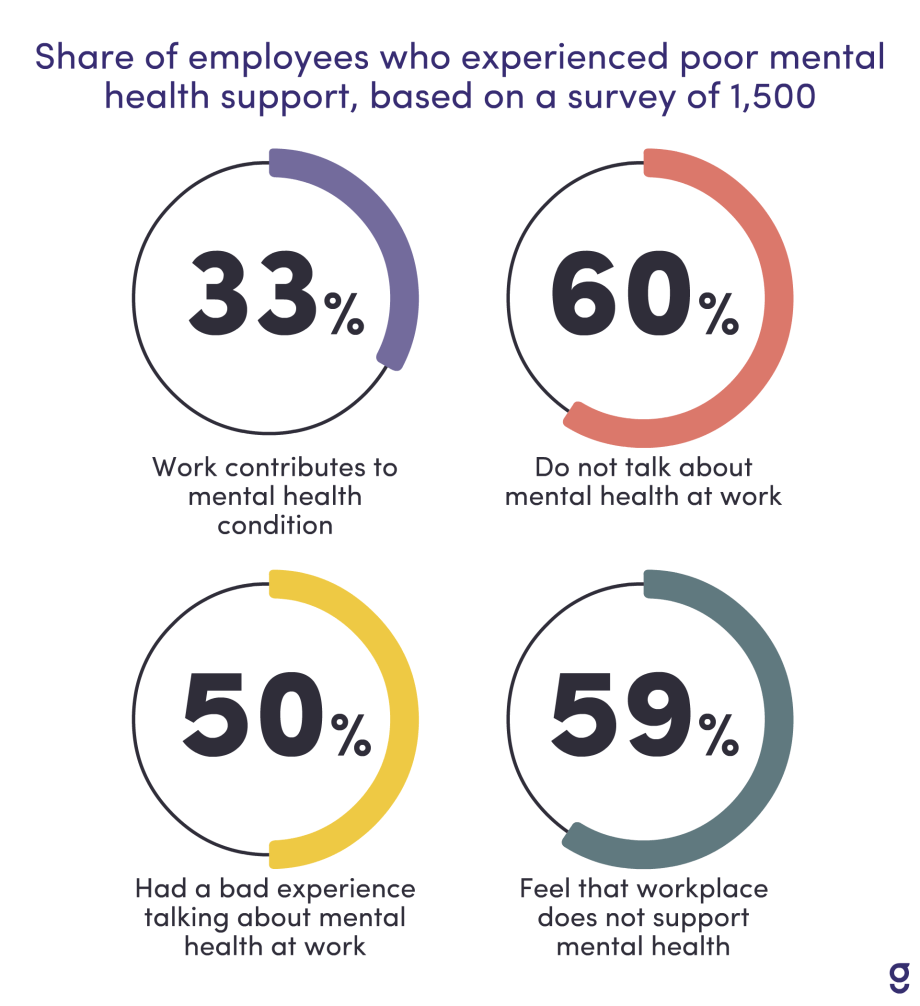
Is it any wonder younger generations want something real, someone to genuinely listen? But are we listening? Or are we reverting back to isolationism because it’s easier than dealing with the issues, namely our own?
The same human resources director telling you to share your problems with coworkers will be the first to tell you not to overshare. So, you are forced to suck it up and deal with it, ignore it, or run the risk of being called out on oversharing, because you are talking about how you feel.
Intimacy at work is impossible – unless you have supervisors who care and want you to feel welcome. Those supervisors are few and far between. If you have one, I highly recommend staying in your current position, which you likely will.
Because when you feel like you matter like you make a difference, you will work harder, faster, and at maximum capacity every single time.

Leave a comment