
Anne Jansen woke up to a high-pitched shrill sound from the hotel’s alarm clock on the nightstand beside her bed. She hated fieldwork because the best part of her job was testing inside the laboratory. Microscopes. Test tubes. Samples. Hours of waiting for results and retesting. Those were the highlights for her. Anne lived for being in the lab. Being outside in small communities like the Tri-Cities excited her almost as much as watching grass grow. But, to be fair, if she was observing the growth of grass inside a test tube or a laboratory? Anne would be all about it.
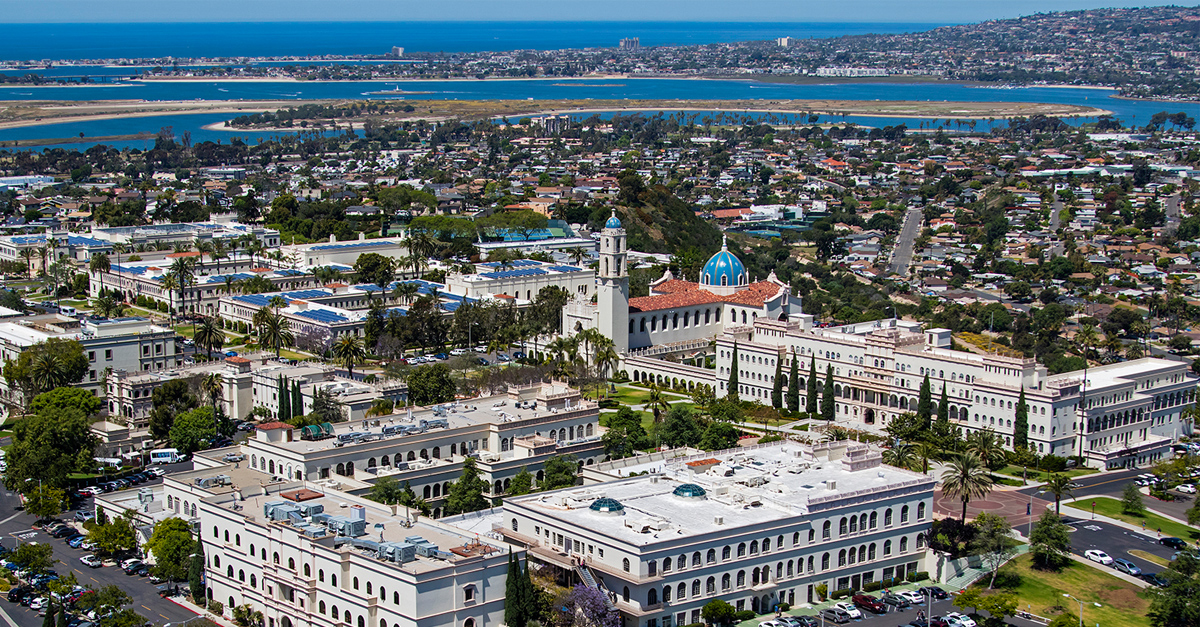
The funeral for Janice was at 9 A.M., and she wanted breakfast first. And some coffee. Espresso would’ve been excellent on a day like today, but alas, she was in Spiner. No one knew what an espresso was, much less a pour-over. Even pour-overs were new for bigger cities like Lenexa. Even Lenexa was small for Anne, having grown up in San Francisco and attending the University of San Diego because they offered a Master of Science in Environmental and Ocean Sciences degree. After graduating at the top of her class, the Environmental Protection Agency offered her a job based on her Master’s thesis about PFAS and how these chemicals would wreak havoc on farmland in the United States and eventually the world, saturating fresh and saltwater. If her data was any indicator, these specific chemicals would never go away, unlike other matter that changed chemical states.
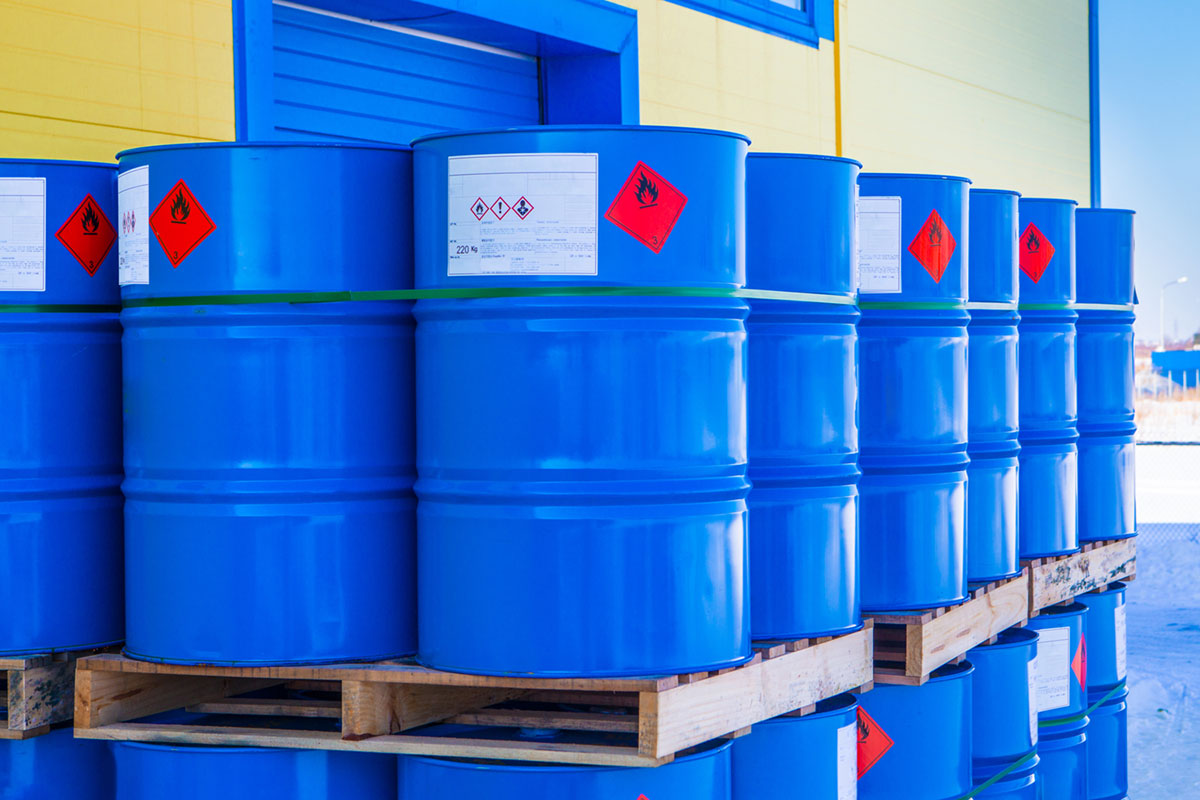
“PFAS can’t and won’t break down. They will never go away,” she said, presenting her thesis to her review board.
Dr. Harold Myers, her mentor and advisor, leaned back in his chair, waiting to see what his colleagues would say about her presentation. Dr. Susan Metzer and Dr. Hiam Bareniski were environmental and ocean science experts. Dr. Meyers invited them to review her thesis because he believed her research had groundbreaking potential. Dr. Metzer flipped through her thesis, zeroing in on one entry. “You are telling us these PFAS have been around since the early 1950s, and until now, no one bothered to say or do anything about it?”
“No, Dr. Metzer. I’m saying they knew about it, they knew they couldn’t do anything about it, AND they continued using them because it was less costly than the environmental effects. To change the process would be more costly than ignoring the potential hazards.” She had a file folder filled with numbered transparencies she quickly thumbed through, finding one she decided against showing – until Dr. Metzer’s question. “Here is the projected effect of PFAS on the world’s water supply, starting from introducing PFAS into the water supply. As you can see here,” she pointed to a small section of the global image, “this is where PFAS began.” Anne picked up another transparency, switching it with the first one, “And this is my projection, based on current PFAS introduction levels. Doctors, by 2025, the PFAS will be forever in our water supply.”
“Ms. Jansen, what impact will that have on our food supply? Or on our genetic health?”
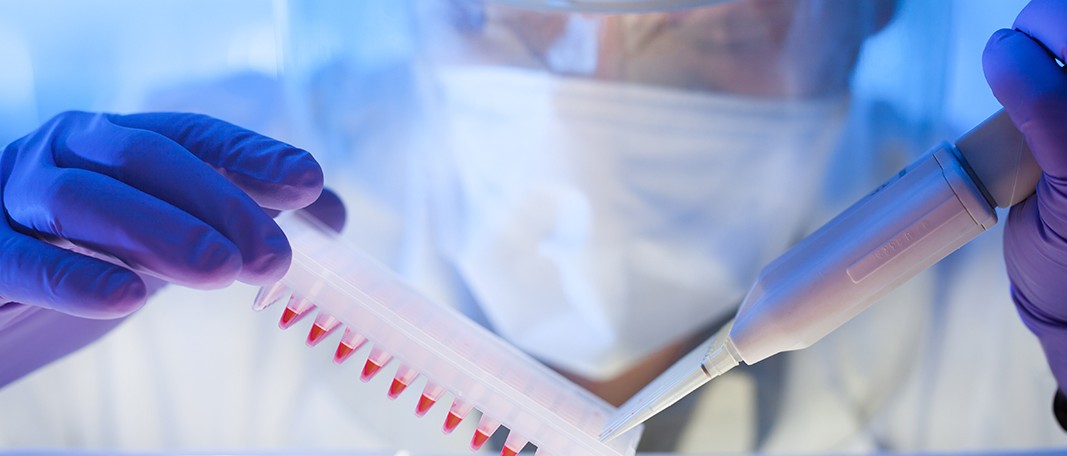
“I do not know, Dr. Myers. Given an opportunity, I would study the implications of PFAS first on our food supply, then on cattle, specifically cows, sheep, poultry, and other animals bred explicitly for food. We need to ask how this will affect us on a genetic scale. Will it hurt human beings? What are the long-term side effects of PFAS on our food supply? And what happens if these PFAS get mixed with residual plastics? Will that have a greater or lesser impact on global water safety and food supplies? We don’t know. And if we fail to act now? What impact does that have on our environment in California and the rest of the United States?”
Dr. Myers leaned over, whispering something to his two colleagues, who nodded in agreement with him. “Well, thank you, Ms. Jansen. If you would step outside, we will discuss your progress in the program and make our determination.” He waved Anne toward the classroom door. She held her head high and walked away from the panel, confident she would graduate, even though she wasn’t feeling it. The heavy door closed with a soft click. Outside, she paced back and forth along the sidewalk. Anne didn’t smoke, but if she did, she’d light one up and puff away.
Ten minutes dragged by, Anne fretting through all the mistakes she made in her data, convincing herself that they were going to flunk her, a 4.0 student, out of graduate school all because she mentioned the dreaded PFAS, the one thing that no scientist had, as of yet, been able to track or document. Yes, they existed. Yes, they were a problem. No, there wasn’t a detection system or a way to track PFAS. Not yet. That’s why her paper and her research were so vital, critical to developing a tracking system, or at the very least, a tool that would aid other researchers in finding a way to stop the introduction of PFAS into our ecosystem.

Anne heard the door open, losing track of which number she was on, counting each pass in front of the door. She was up to 300-something before Dr. Myers opened the door. “Anne?” Dr. Myers was smiling, “Could you come in, please?” Anne did her best to contain her excitement, believing she would graduate.
“Please, Ms. Jensen, have a seat.” Anne didn’t know which doctor put the chair in front of the long table, but whoever it was, she was grateful because she didn’t know if she would last standing up. “Ms. Jensen, on behalf of myself, Dr. Metzer, and Dr. Bareniski, we want to thank you not only for your dedication to your project but also for the accuracy of your data. Indeed, your paper is and will be a remarkable addition to the scientific community, highlighting the credibility of the Univerisity of San Diego science community. As you know, the standard process is to make our graduate students sweat out seven days until we decide on their thesis project, reviewing the data and documents. In light of your recent discovery of PFAS being introduced, we have decided to let you know that we approve your Master’s graduate degree, conferring on you a Master of Science in Environmental and Ocean Sciences.”
“Ms. Jensen,” Dr. Metzer stood up, clapping for her, encouraging her fellows to do the same. Once the clapping was over and everyone was seated again, Dr. Metzer continued. “Ms. Jensen, I, too, applaud your work. You will be a fine addition to any team that will have you. The three of us will write letters of recommendation to any employer you wish. However,” Dr. Metzer looked back to her colleagues, “I wanted to let you know about an offer to work for the Environmental Protection Agency. It’s not a glamorous position; most of the work will be in the lab, but I would be remiss not to mention you to my friend and the head of the field lab in Lenexa, Kansas.”
The blood rushed from Anne’s face. Working for the highest, most prestigious organization in the United States for environmental science and water? If she didn’t jump at that opportunity, a chance to work all the time in a laboratory? She figured she could get used to it even if it was Kansas. It may not be San Diego, but the work alone would satisfy her need to find solutions. Her smile couldn’t get much bigger.
“Well, Ms. Jensen? What do you think?” All three doctors waited for her to reply.
Anne sat perfectly still, blinking a few times. Standing up, she smoothed her dress, cleared her throat, and spoke. “Yes. I would very much like to work for the Environmental Protection Agency.”


Leave a comment