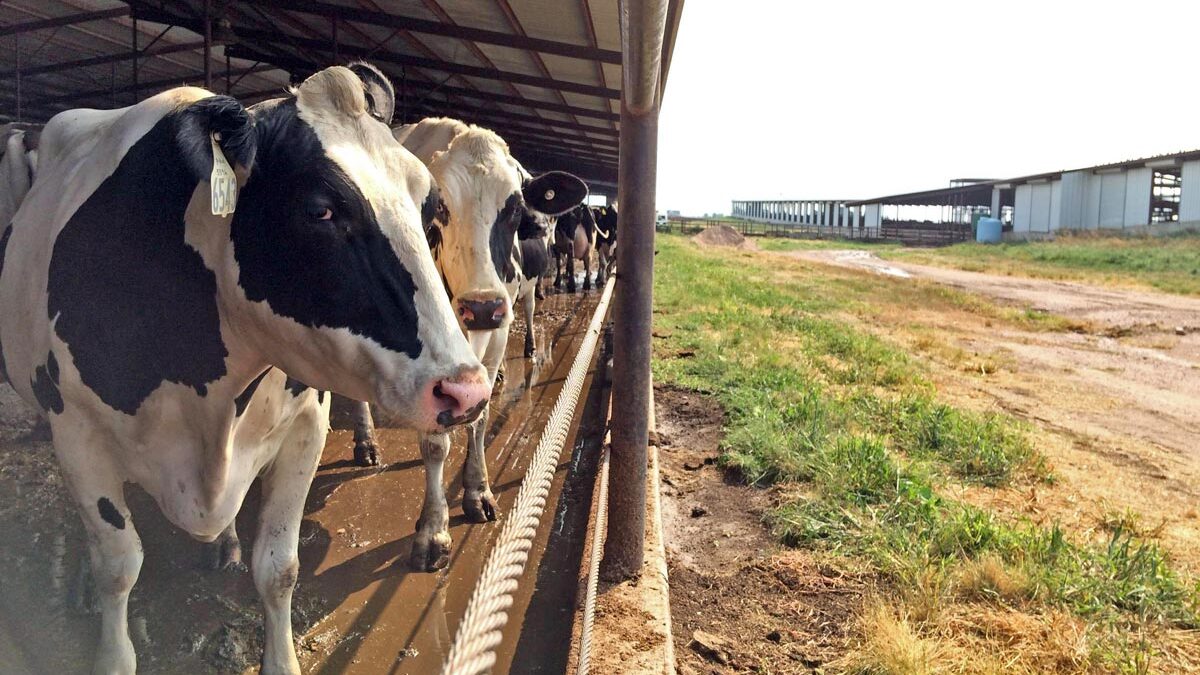
“Doc, you sure this ain’t all that serious?” Jim watched Doc move strategically around the sick bovine, using a stethoscope to hear for anything abnormal. “I got more than 6,000 head needin’ to be well enough to sell some. I can’t very well go to market and not talk about what this old gal has. If’n you can tell me what she’s got in the first place.” Jim flicked his cigarette into the damp grass, letting it smolder.
“I dunno, Jim.” Doc stood up, Jim listening to him groan, his bones creaking with each movement. “Only thing I can tell for sure is she don’t feel good. Other than that? I ain’t got no clue. You been isolatin’ her all this time, right?”
Jim shrugged. “As much as ever. Why? Ya think she’s gonna give it to the rest of my herd?” Jim’s face turned pale. More pale than usual.
Doc squinted at him. “Are you feelin’ aright? That’s the real question, here. You lookin’ a little pale there, hoss.” Doc may have been the local vet, but he knew enough about medicine to recognize when a human being wasn’t feeling well. Doc grew up on his Daddy’s cattle ranch, fortunate enough to travel to Ireland with his Mama and Daddy to visit cattle and dairy farms. Daddy promised Mama time out of the United States, traveling to exotic countries and seeing exciting sites. He took her overseas, per his promise, but Daddy also used it as an excuse to write off the trip, having visited four farms, all with cattle. Mama hated the cows. Hated the smell that stuck to her clothes. But loved her son more. So she put up the cattle, the farm, and the smells.
In the early 1960s, Doc enlisted to serve in Vietnam, even though he was educated enough to enroll in veterinary school. Daddy left more than enough money for Doc and Mama to survive, even having extra for Doc to go to college. His recruiter advocated for him to become a medic, which, in military jargon, is a glorified paramedic.
After his stint in the service, Doc decided veterinary school was the answer. Mama held onto the land and the ranch until someone offered her more than the property was worth. Jim’s grandfather took her up on buying it. As a cattle rancher, he knew what the land was worth, and more importantly, he wanted something to leave his grandchildren. He didn’t know that Jim would end up being the only grandchild.
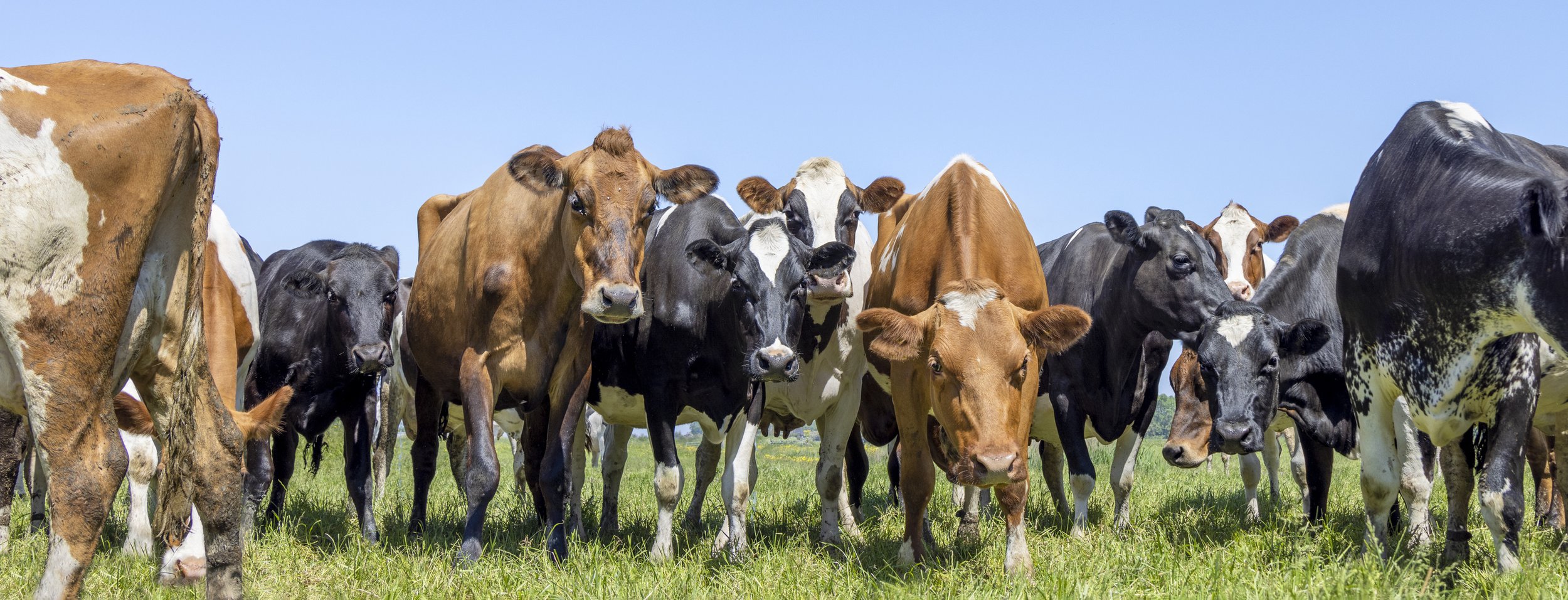
Doc checked on Jim’s cattle and dairy cows, knowing that some of those newborn heifers were relatives of the steers owned by his Mama and Jim’s grandfather. Most of the time, Jim was a good man, especially when it came to caring for his animals. If there was one thing Doc could tell, it was a man who was good at ranching. Jim was one of those men.
Jim lit another smoke, shooing Doc away. “Git away from me, Doc. I ain’t need none of your fancy medicine. A couple more of these,” he waved the cigarette at him, “and I’ll be right as rain. Just need a bit more of that nicotine.”
“Those things,” Doc pulled the smoke from Jim’s fingers and crushed it in the grass, “will, not might’n, but WILL definitely be the death of you. Needs to quit and right soon.”
Jim got right up in Doc’s face. “I don’t need you, nor some fancy pants medical doctor tellin’ me what I do or don’t needs to do.” He stood back, pulled out another cigarette, and lit it, exhaling smoking in Doc’s face. “So fix my dad-burned cow, Doc. I ain’t need fixin’.” He pushed Doc back, not hard enough to knock him over, but it did throw off his balance for a second. He didn’t let Jim’s temper get to him.
Shaking his head, Doc said, “I dunno what to tell you, Jim. I ain’t seen nothin’ like it. She’s not sick, like she don’t have a fever. She ain’t pregnant. She’s actin’ strange. And her milk looks good, with nothing contaminating it. It’s the darnedest thing I ever seen.”
Hank stumbled through a massive hole near the enclosure where Doc and Jim discussed Jim’s sick cow.
“Dang it! I knews that was thar. I stumble through it every time.” He spit out a brown stream of tobacco juice. “Hey, boss. Remember I told you about that broken fence post out on the southeast corner?”
Jim’s head perked up, “Did Jazz or Kenny get loose?” Jim moved so quick to Hank that he dropped his smoke in the grass and didn’t bother to pick it up. He snatched Hank up by his shirt, lifting him off the ground. Hank’s eyes went wide, and his hands were raised in surrender. “NOT GOIN’ TA’ SAY IT ‘GAIN! DID EITHER OF MY STUDS GET LOOSE?”

Hank shook his head no, as fast as he could. “No, Boss! They’s didn’ get loose. We’ns had a few of them newer calfs wanter oft, but none of the seasoned cows.”
Pushing Hank backward, just like he did Doc, only harder, Hank lost his balance, falling into a patch of muddy grass.
“No one’s workin’ today, I guess!” Jim shouted, storming off towards the barns. Some of his hired hands were checking on the health of his steers, others mending and repairing fences, and still others were leading the cows in to eat and milk. Everyone was working, except Jim. “Hank! You best git on out there and fix that fence, since youns the one that found it was broke!”
“Yes, sir, boss, sir.” He attempted to salute, but it looked more like a wave. Hank scrambled off, bolting to his truck, falling into the same hole he tripped into a minute ago. “Dang it! Every frickin’ time!”
“Who’s that comin’ up?” Doc squinted, not that helped see that far away. His vision was better than most people his age, but that far away? All you could see was the white trucks, the logo on the door large enough to recognize a few hundred feet away. But they weren’t that close. “E-something,” Doc kept squinting. He figured he might be able to see it if he kept squinting. “EPA?” Doc turned to look at Jim, Jim rolling his eyes.
“What else could happen taday, anyhow Doc? What’s the EPA want with me?”
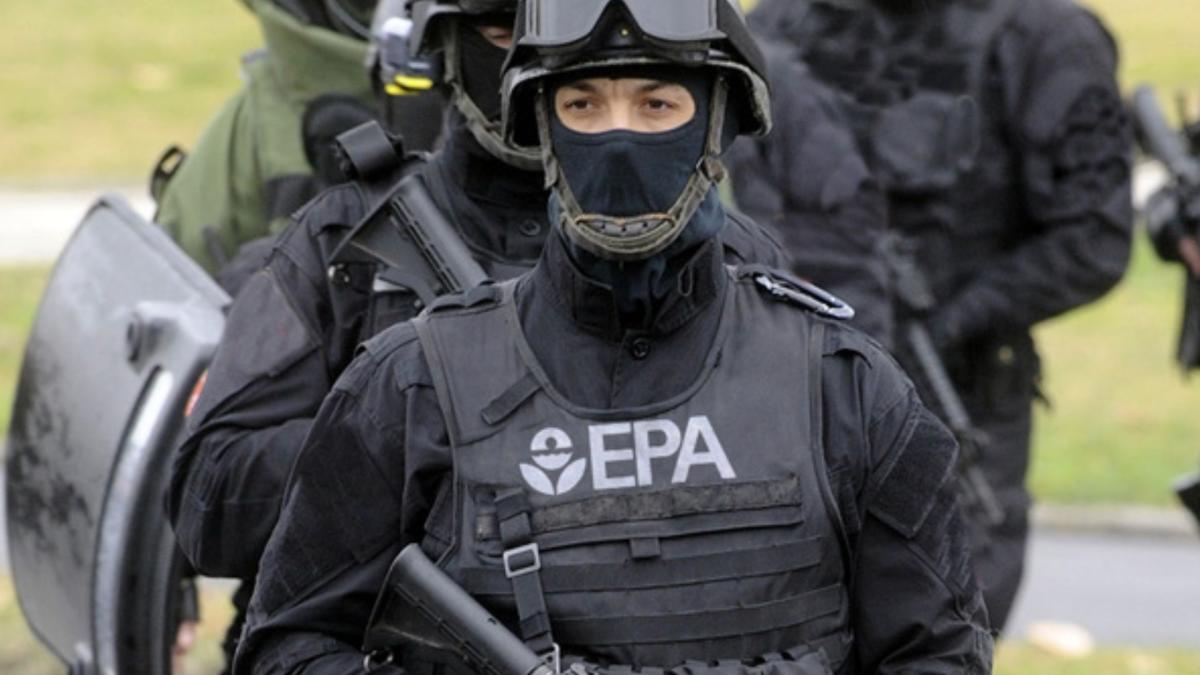
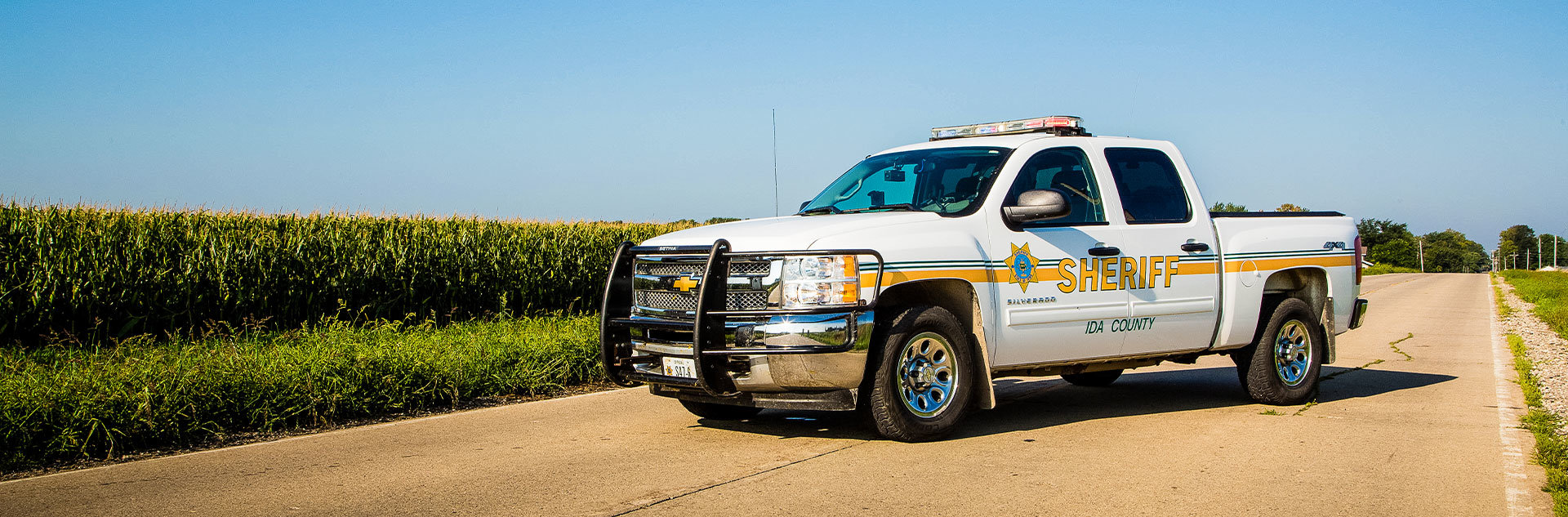
“No tellin’ Jim.” Two trucks and an SUV marked with the Environmental Protection Agency logo stopped close to the milking barn, and two people got out of each vehicle. In the lead truck was a man wearing blue jeans, tan construction work boots, and a blue cotton button-down shirt with dark sunglasses. His companion, a tall woman, wore dark jeans, a sky-blue blouse, and cowboy boots. The other four people wore lanyards hanging from their necks and similar outfits.
“Whatcha thinkin’ they want?” Jim asked Doc.
“Dunno, Jim. Don’t think I want to be around when they start askin’ questions.” Four of the EPA crew had clipboards in their hands. Both the man and woman made their way over to Jim.
“Excuse me, gentlemen.” Her voice was sultry like a disc jockey working the evening shift. “Can you tell me where I can find. . .” She paused, glancing at the clipboard she was carrying, “James. James Cathright?” Doc did his best to stifle giggles. Nobody in Spud, or Spiner, ever called Jim, ‘James’ much less used his last name. Those were fighting words. Everyone in town knew it. But this government official didn’t. Doc stood back, waiting to see what ‘James’ would do.
“I’m James Cartwright. Not Cathright.” Doc leaned back against a fencepost, disappointed in Jim’s reaction.
“My apologies, Mr. Cartwright. My name is Anne Jansen. This is my partner, Scott Nix, and we’re from . . .”
“The EPA. Yeah. Took one look at your trucks to figure that out, young lady.”
Doc watched Anne take a deep breath. If he had to guess, Jim wasn’t the first rancher or farmer she’d dealt with. “Mr. Cartwright, we’re here to test your water for contamination, specifically for PFAS.”
“Mr. Cartwright, where is your main water supply? The one that feeds into all your watering locations throughout the ranch?” Scott Nix was asking, not Anne. His tone was all business, not accusatory. “We’re concerned because if your water supply is infected, it could migrate to all the other farms, impacting not only cattle and sheep farming but also agriculture, most of which is supplied to the remaining parts of the United States.
Doc crossed his arms, the slight grin now gone from his face. “Contaminated water?” Doc’s low whistle caught three of the other EPA investigators off guard, looking up in the air for an incoming bomb. Two of the investigators lived through intense fighting in Vietnam. “How would Jim,” Doc stopped and corrected himself, “I mean, James,” Jim glared at Doc. “How would he know if it was or wasn’t contaminated?”
“Well, sir,” Anne addressed Doc. “I’m sorry. What is your name?”
“You can call me Doc.”
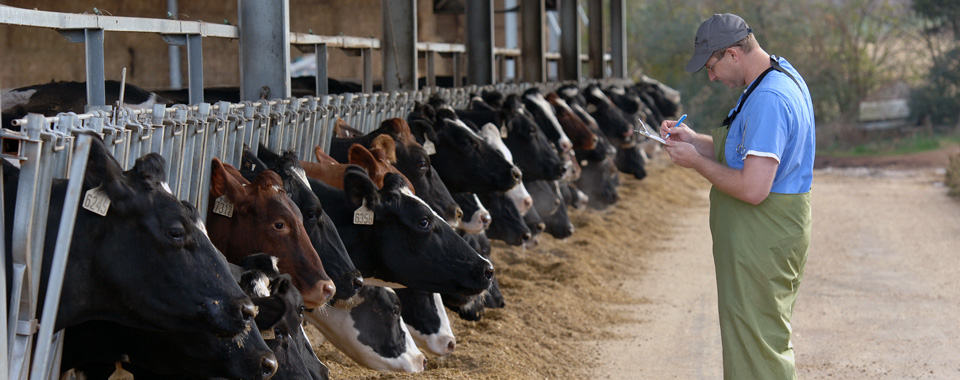
“Well, ‘Doc.’ You can’t tell by ‘looking’ at the water. We need samples to take back to our lab in Lenexa. Once we have all the necessary samples, we’ll test each one, measuring the particulate count of each sample.”
“You said PFAS,” Jim asked. “I heard of ‘em, like years ago. Something about chemicals that don’t break up, break down, oh, you knows what I means.”
“That’s partially correct, Mr. Cartwright. They are residual chemicals from flame retardant chemicals, Teflon and Kevlar. Unlike skin and bone, say from your cows, these chemicals do not break down. They retain their shape. At the molecular level, in any case. They cannot be recycled. They cannot be destroyed. They simply exist. Forever.” Mr. Nix flipped through a few pieces of paper on his clipboard, pointing at a spot on the page, speaking to all the investigators.
“We will need a few DNA samples from your cattle and some of your cow’s milk from yesterday and today,” Anne stated.
“You ain’t pokin’ my cows, Ms. EPA Anne, whatever your name is,” Jim spat. “Nothin’ doin’. I gots one sick cow already. I don’t you need spreadin’ whatever it is she got to the rest, because you are doin’ an investigation.”
Anne’s eyes widened. “You have a sick cow? Where?” Doc thumbed toward the pen where Jim’s cow was down on all fours. She ran to the pen, “Scott! Grant! Young! Get your butts over here. We got an animal down. Possible PFA infection.”
Five of the investigators swarmed all over the cow, checking vital signs, drawing blood, checking her reflexes, the exact same things Doc did. “Um, hey, Ms. Anne?” Doc asked. “If you want the stats, I got all the necessary information you need. I did a full exam less than fifteen minutes ago.”
“Fantastic. Grant?” Grant ran over to Anne. “Follow up with the ‘big guy’ here. We need to confirm our data. His exam will corroborate ours.”
“Got it, boss lady.”
“I thought I told you not to call me that,” she glared at him.
“You did,” he smiled back.
Anne shook her head. “I guess you are a vet?”
“Yeah.” Doc was irritated with the fancy city lady. Nobody called him ‘big guy’ or any semblance of ‘fat man.’ Those were fighting words in the Tri-Cities. And Doc would take them out. Only now did he feel bad for Jim and the EPA investigators’ invading his farm. “I’m in charge of most of the livestock in these parts.”
“So if you have any other questions about the animals out here, Doc,” Anne said, writing down something on a business card, “this is my direct line number. Call me if I’m not in the office? My assistant will know how to reach me.” Anne handed him the card. “PFAS sound scarier than they are. Honestly, they don’t do much alone. But. If they come in contact with other chemicals? That’s when it gets scary.”
“Like what other chemicals?”
“Oh, I’d say anything made out of alkene hydrocarbons. Combining the PFAS with any of those? It wouldn’t make the cows sick or damage the crops – not on the molecular scale. But, the combination would cause,” she thumbed over to the cow, “sick cows like her.”
“How can we identify those hydrocarbons?”
Oh. Well, that’s easy. Anything made of plastic. That would do it.”



Leave a comment