
I’m not sure I’m smart enough to understand how it works or what it is. I’m no scientist. I’m not a researcher. But I do know what creative thinking looks like. I know how my brain works, creating a solution from nothing. But can I paint like Michaelangelo? Not even if I wanted to! Can I put words on paper creatively to tell a story? Can I paint a picture, like Michaelangelo, solely using words and nothing more? If I were to write those words here, describing the artwork of that celebrated artist, would you create an image in your head having never seen the painting?
So, I’m wondering if storytelling has always been with me? Like your bones or blood? Was I given a talent at birth that needed to be nurtured and coddled until it grew up, like a sapling? Reading. Listening to stories told by my grandmother, grandfather, aunts, uncles, cousins, and friends at school. Were they all watering that tiny sprout of a tree? And my English teachers throughout the years. Did they know what they were feeding? Or were they just doing their job?
But you can’t just grow into a creative storyteller without doing the work. That means you have to write. And writing takes a lot of energy, both physical and mental. Most of my best work is done first thing in the morning, saving me the time and emotional energy to edit later in the day. Why do I write like that? Because I’ve found it gives me the creative space to create the right story for the right audience.
I considered myself a writer twenty-five years ago, even though I rarely drafted anything. Now, I intentionally spend my time reading other writers, even those I disagree with, simply to see how they convey their story. Some are fabulous writers requiring very little thinking to understand. To read others, you need a massive dictionary with obscure terms just to understand what the author is trying to say. And even then, it’s a toss-up. Chances are you aren’t getting the meaning; the writer knows you aren’t smart enough to comprehend his or her point. They are too intelligent for you to ‘get it.’ (If I ever get to that point, embarrass me. Comment. Write a letter or post a comment. Do something, ANYTHING, to get my attention!) Remind me (probably not for the first time) that ego doesn’t sell.
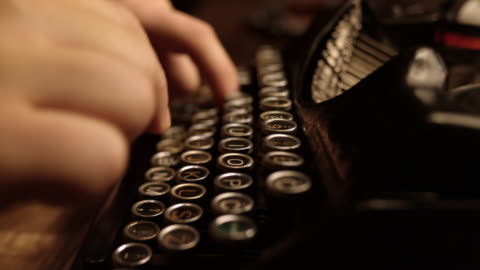
Remember, telling a story is not the same as writing an academic paper. Just like being a technical writer doesn’t work for creative fiction. You can’t take a character like Spongebob Squarepants and talk about his antics in Bikini Bottom with Patrick Starfish and Sandy Squirrel using flat, past-tense verbiage. Technical writing requires a lot of detail. Specific grammar rules must be strictly adhered to. But creative fiction plays fast and loose with the rules.
Do you want someone to tell your story? Then, take the time to hire a storyteller, specifically. Not someone who sticks to the rules writes in past-tense verbiage and expects you to ‘get the gist of it’ because they use the most difficult-to-pronounce words to convey a simple story.
Make sure you are listening well. It’s the most crucial element of storytelling. Listen for what the story IS, not what the story SOUNDS LIKE. Organizations can get stuck in their own story, believing with all their heart the story they’ve been telling is the one they must share with the world. But what if the more powerful story, the one they REALLY need to share, is buried, waiting for the right person to ask questions no one else knows to ask? The questions, asked in an impromptu fashion, get to the heart of the true story. No one’s cornered that market because it takes a creative mind to ask innovative questions. Sure, you teach people how to ask good questions. But experience teaches you more in a moment than any classroom can.

So, if you want your story told well, find a creative storyteller willing to ask you the right questions to help you uncover your story.
Joe Class III is a freelance copywriter. His writing includes ghostwriting for multiple organizations and various publications, adeptly writing video production scripts, newsletters, press releases, elevator pitches, radio spec spots in various lengths, and mission statements.

Leave a comment