“You what?”
“Let me say it again. I gave up.”
“Gave up what, exactly, Stan?”
“Everything.”
I was puzzled by what Stan said to me. For the last two years, I watched Stan go through some of the hardest things I’ve seen one person deal with. The emotional trauma alone was enough to make me question whether or not he was okay. But this was our first time talking through things, things that, until now, he refused to discuss with anyone except his therapist. (He’d confide in me about that later.)
“You just gave up.”
“Yup. Gave up. It’s amazing what can happen if you choose to quit. And I mean, quit the drama. Quit the anger. Quit the hostility towards other people. Like just quit it all.”
“And you did all that?”
“Yep. People don’t understand that’s a choice.”
“What? Quitting?”
“Yes, Roger. You stopped smoking, right?”
“Yes. Because I chose to.”
“Exactly. Why not choose to quit fighting?”
“Because I don’t want to.”

He had me. It wasn’t serving me well at all. There were breakdowns in my team at work precisely because I needed to let go of a few people who were problem children. You know the kind. These are the people who want to fight because it’s a fight. Not that it’s worth fighting for; it’s not. I decided that maybe there was something to give up. Or, as Stan succinctly put it, quit.
“Is it serving you to fight with others?”
“How do you think you quit?”
“I quit engaging negativity. I stopped entertaining the idea of being anything but positive and instead built into people. No longer was I tied to beating up people. I decided to love them exactly where they were by not engaging. And let me tell you, Stanley, it’s liberating!”
“You can’t do that.”
“Believe what you will.”
He did it. He didn’t fight with me but let me win. “So you let everyone win?”
“I didn’t let you win. I chose not to respond to you. There’s a big difference. And it’s not easy. It takes time. And dedication. But you, too, can decide not to engage. And I’m telling you,” he smiled at me, “It’s more than worth it! Dude! It’s so worth it.”
“If this was the most important thing you’ve ever done, why am I just now hearing about it?”
“You are struggling right now, yeah?”
He knew I was. I told him about the difficulties of trying to congeal a team when one person, Suzie, wasn’t a team player.
“What if, instead of entertaining the idea of bickering with Suzie, you let her win.”
“I can’t. The team would revolt.”
“Would they? You know that as fact?”
“Yes. All of the team would quit on me.”
“Have they?” Stan asked me.
“Have they what?” His questions were annoying. Where was he going with all this? “Have they quit on me?”

“Well? Have they?”
“No.”
“Do you really think they will give up their careers for one problem child? Would you give up your career for someone like Suzie?”
I knew the answer, but I chose not to respond.
“They won’t quit. And if you let Suzie make decisions, let her make a mess of things, and watch the team. Just wait, and she’ll come back complaining.”
“Then what?”
“Then you tell her to quit.”
“What?”
“Tell her to quit. She may take it as quitting her job, which she won’t. But you know what she needs to quit. Suzie will figure it out all by herself. And then, that’s when the magic will happen.”
“And that’s supposed to work?”
Stan shrugged. “It did for me.”
“How badly did things get messed up?”
Stan smiled. “Ask my boss,” he winked, nudging my shoulder. “He’s a good guy and let me screw things up – royally!”
“What did it cost the company?”
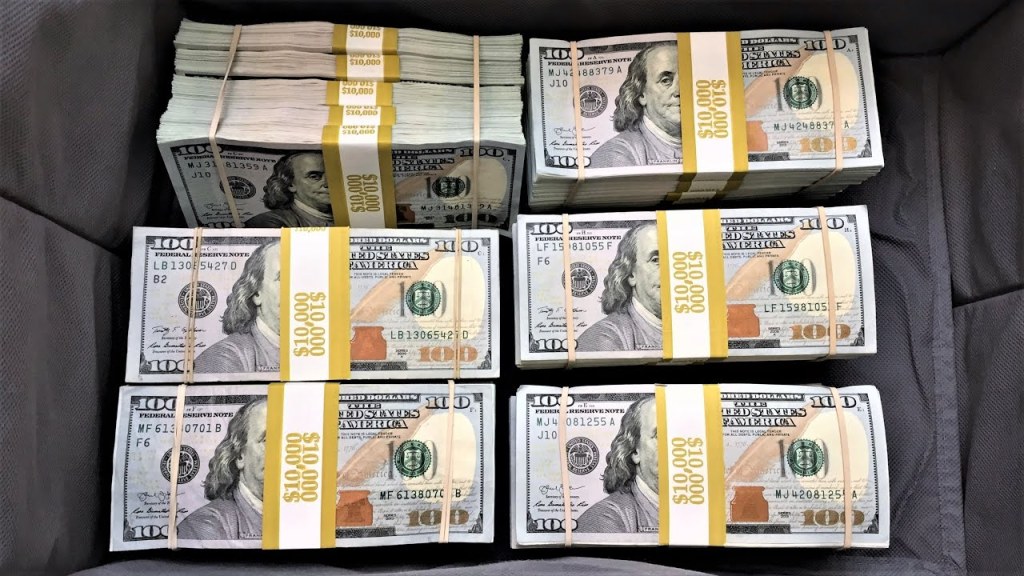
“Roughly $300,000.”
“Best training plan I ever paid for,” Randell said from behind us. “Stan here is the best employee I have. I intend to keep him as long as I can. But if not, he’ll move on to something better for him, and that’s good for me.”
“But it cost Sterling Enterprises $300k. How is that a solid investment?”

“Because Stan will never recklessly spend $300,000 of the company’s money. It was a costly mistake, but he’ll never make it again.”
“And I won’t engage in negative talk or thoughts. Anyone on my team who exhibits that behavior will have two opportunities to correct it. And if they fail to do so? Then, it will not be a negative discussion. We will simply part company.”
“Stan has saved us more than that $300,000 loss, generating more revenue today than we would’ve netted without it. So, as I said before – best training plan I ever paid for!”
“And all you did was quit?”
Stan smiled at me, nodding.


Leave a comment