
American culture is so ingrained in each of us that we fail to recognize and be thankful for the things we do have. Instead, we focus on our desires, wants, and perceived needs. Isolationist attitude with our closed-off homes with automatic garage door openers and outside back decks hidden behind privacy fencing. Does any of that sound open and inviting to you?
Most of us don’t know our neighbors, and we only take the first step if we are outside, standing by the mailbox or talking to our regular Amazon driver. Packages are anonymously dropped off on our doorsteps without us saying thank you.
We lost something a few years ago at the beginning of the pandemic. Kindness. Gratitude. Charity. Our country splintered into distinct lines, politicizing everything we do. We turned on each other, whereas we talked, communicating differing opinions without having to agree. Civil conversations. Ones that engage the other side. But there was compromise without conceding the individualism we Americans take for granted. And yes, it wasn’t easy. But we expected polite and civil conversations, regardless of how we emotionally connected to political issues. Nothing was off-limits. Every ideology was discussed, and many of us came to new conclusions based on new evidence we’d not heard before. And even if we failed to reach a consensus, we agreed to disagree. We chose friendships over politics and religious beliefs.
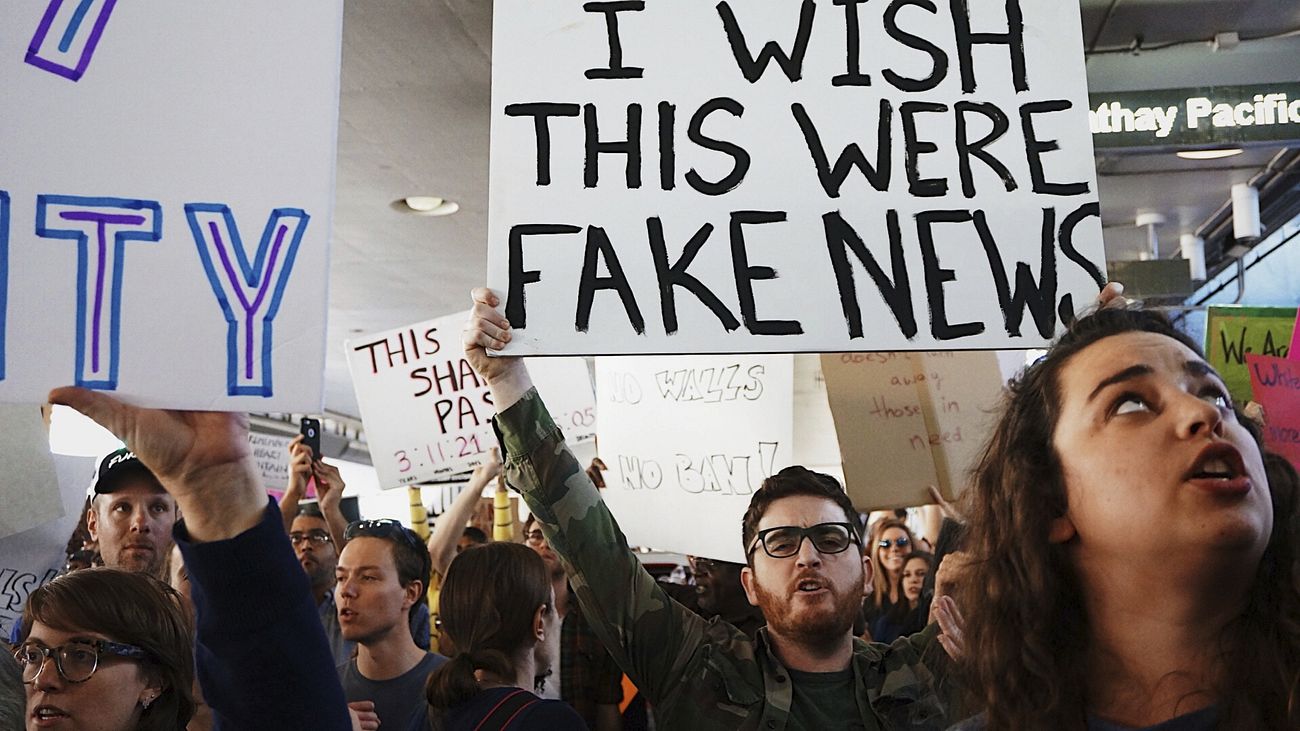
Today, post-pandemic, a new term came into existence that, before now, wasn’t used except by liars and con artists: fake news. If you didn’t like the way something sounded? Call it fake news. Don’t like someone’s viewpoint? Say it’s fake news. You don’t like the facts? Don’t like the truth? Call it manufactured, and it makes it all better. Now, you can say whatever you want with impunity because there is no balance or scale of what is factual. If you don’t like it, just say it’s fake, and then it’s all okay.
Along with the idea of news being faked and facts becoming more and more polarized to one side or the other, we decided to jump on the bandwagon of I have to get what’s mine for me. It started with toilet paper and moved as fast as lightning to entitlement. “I deserve,” was the Karen battle cry. “It’s outrageous!” middle-aged women started yelling, first at employees who never deserved that kind of treatment, and moving into service industries, like fast food places and coffee bars. The entitlement attitude didn’t come from Gen Z and the Millennials. No. It started with the Baby Boomers telling the Millennials they were entitled brats who didn’t work as hard as they did. Is it any surprise that those Millennials living on a 1/3 of the wages the Boomers lived on (adjusted for inflation, of course) cried out, “Okay, Boomer,” because those same Millennials, according to the Boomers, were acting entitled, right?
Now everyone’s unhappy. No one is getting along with each other, and those that are? We are compromising, not without arguments and hurt feelings. But we managed to repair the damage and move forward because we wanted the disagreements. We welcome differing opinions because we want to grow; we want to move forward, not stay stuck in the past.

So, what’s the solution? We are seeing more counselors and therapists helping people figure out how they feel because they’ve been traumatized by the isolation and the political dividing line. Like it or not, you have suffered trauma if you were older than three years old during the COVID-19 pandemic of 2020.

When I started writing this, I thought I had the answer. I thought there was a solution. But, like it or not, I’m not an expert on trauma. Well-versed in trauma and trauma responses? Oh yeah. I’ve got stories for days on that crap. But today, I want you to take a hard look inside yourself and see if there is a way you can connect with someone who has a different ideology than you, who doesn’t look like you do, and who doesn’t vote the same way you do. Take the first step and start a conversation. Ask them why they think the way they do. Where did their ideas and thinking stem from? You might be surprised where they land ain’t too far from you. Who knows? You may even gain a lifelong friend who will be there in your darkest times, even if you agree to disagree.

Leave a comment